Reptile & amphibian care & vivarium setup
VivariumHub is a free, one-species-per-page care resource covering 36 popular pet reptiles and amphibians. Every guide lists the exact temperature, UVB, humidity, diet, and enclosure size that species needs — plus an interactive UVB calculator, a bioactive vivarium builder, and where to buy.
Care sheets, a UVB setup calculator, and where to buy — for every popular pet reptile and amphibian.
Snakes
Pet snakes like the ball python and corn snake are calm, low-maintenance beginner reptiles that need a warm-to-cool thermal gradient, secure hides, and the right humidity — most need little or no UVB.
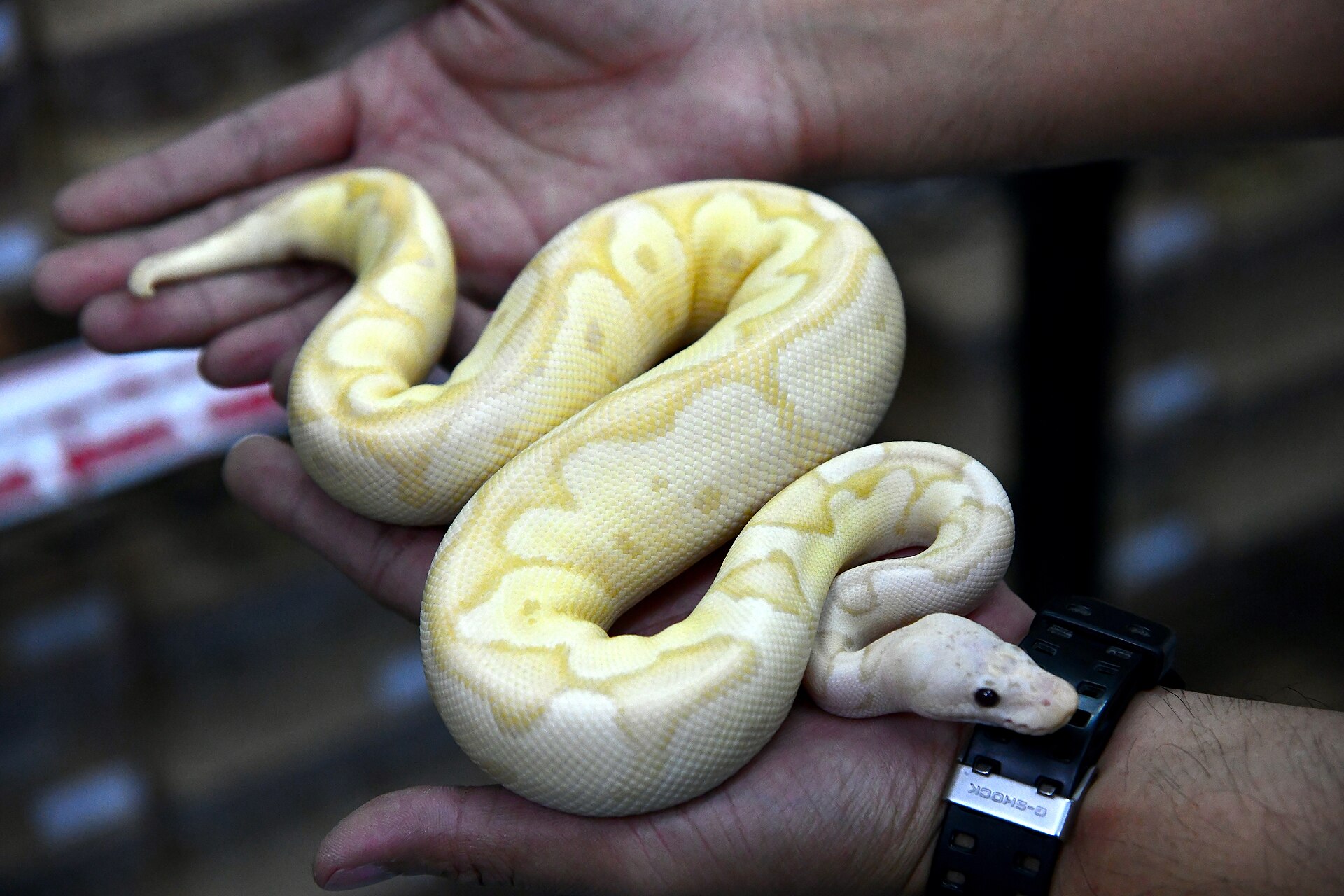 Ball Python Full care guide · 165K searches/mo Guide
 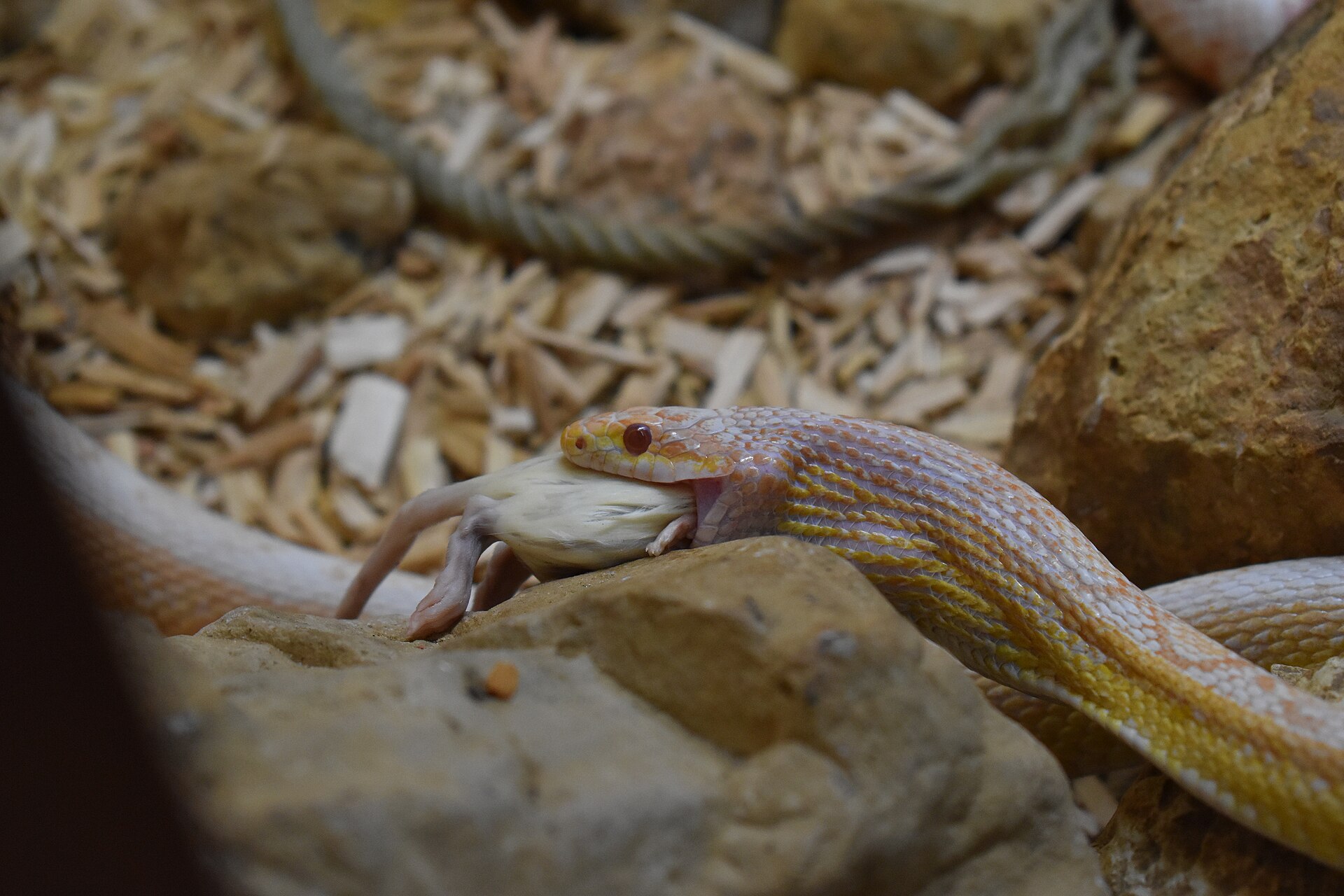 Corn Snake Full care guide · 165K searches/mo Guide
 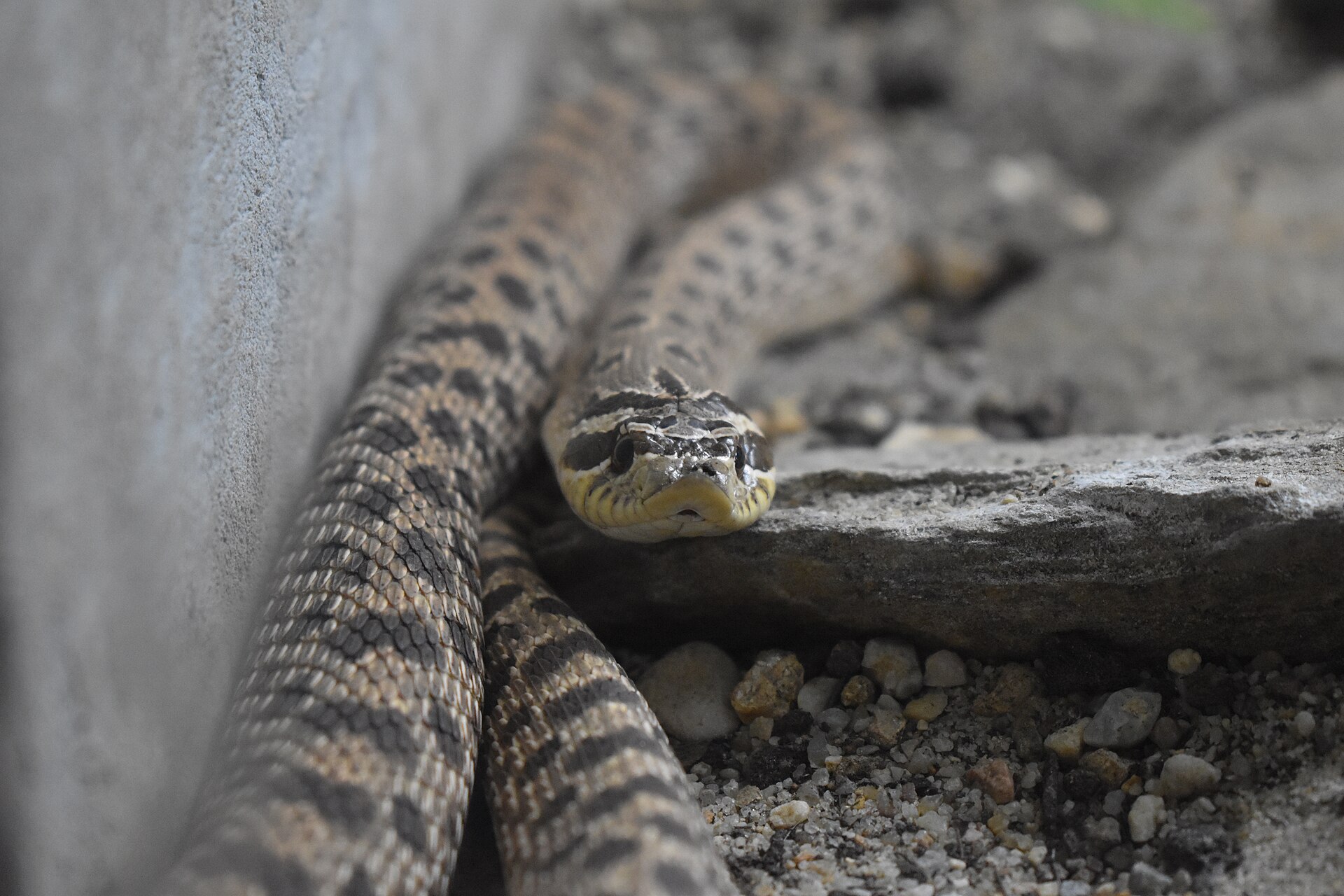 Hognose Snake Full care guide · 135K searches/mo Guide
 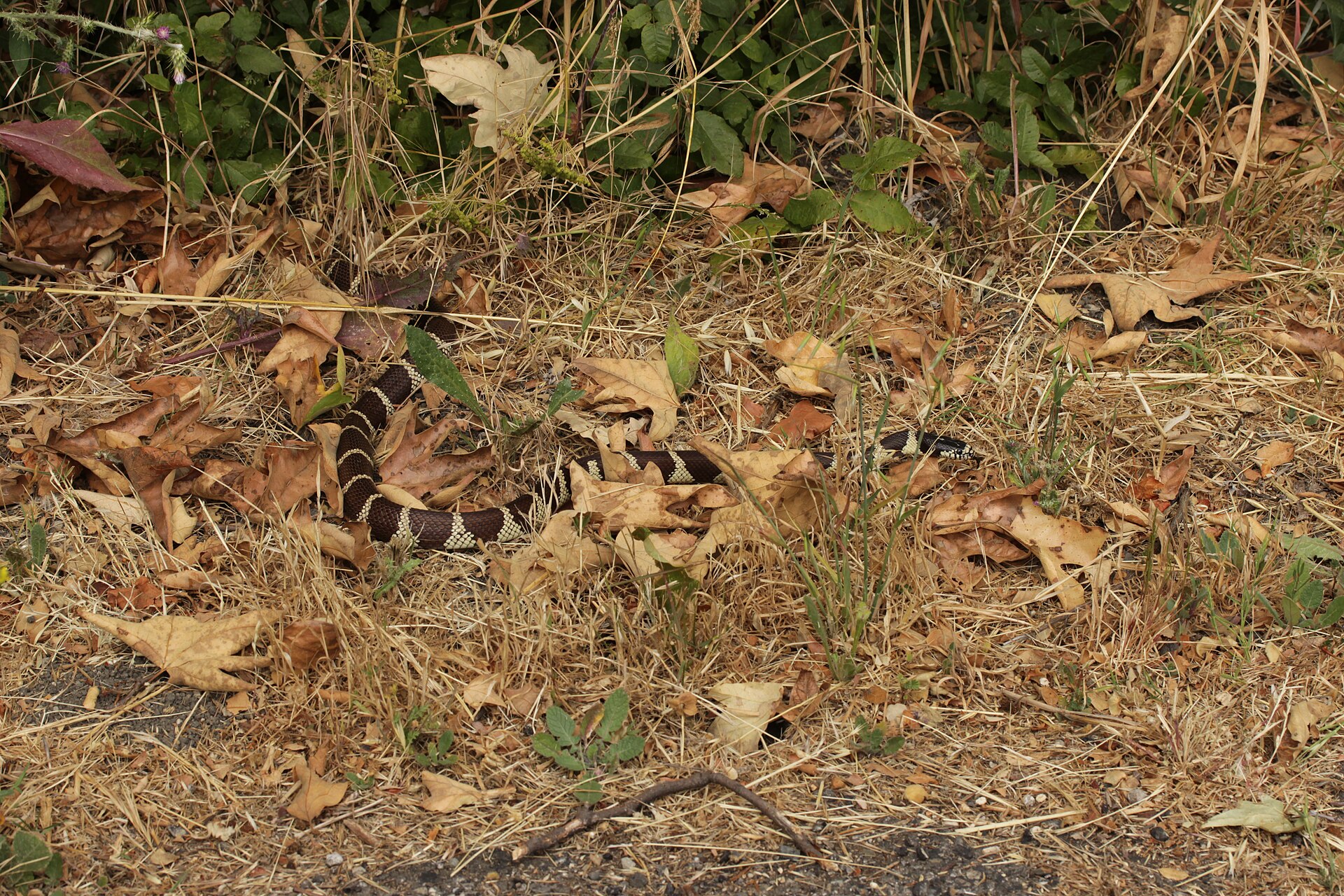 Kingsnake Full care guide · 110K searches/mo Guide
 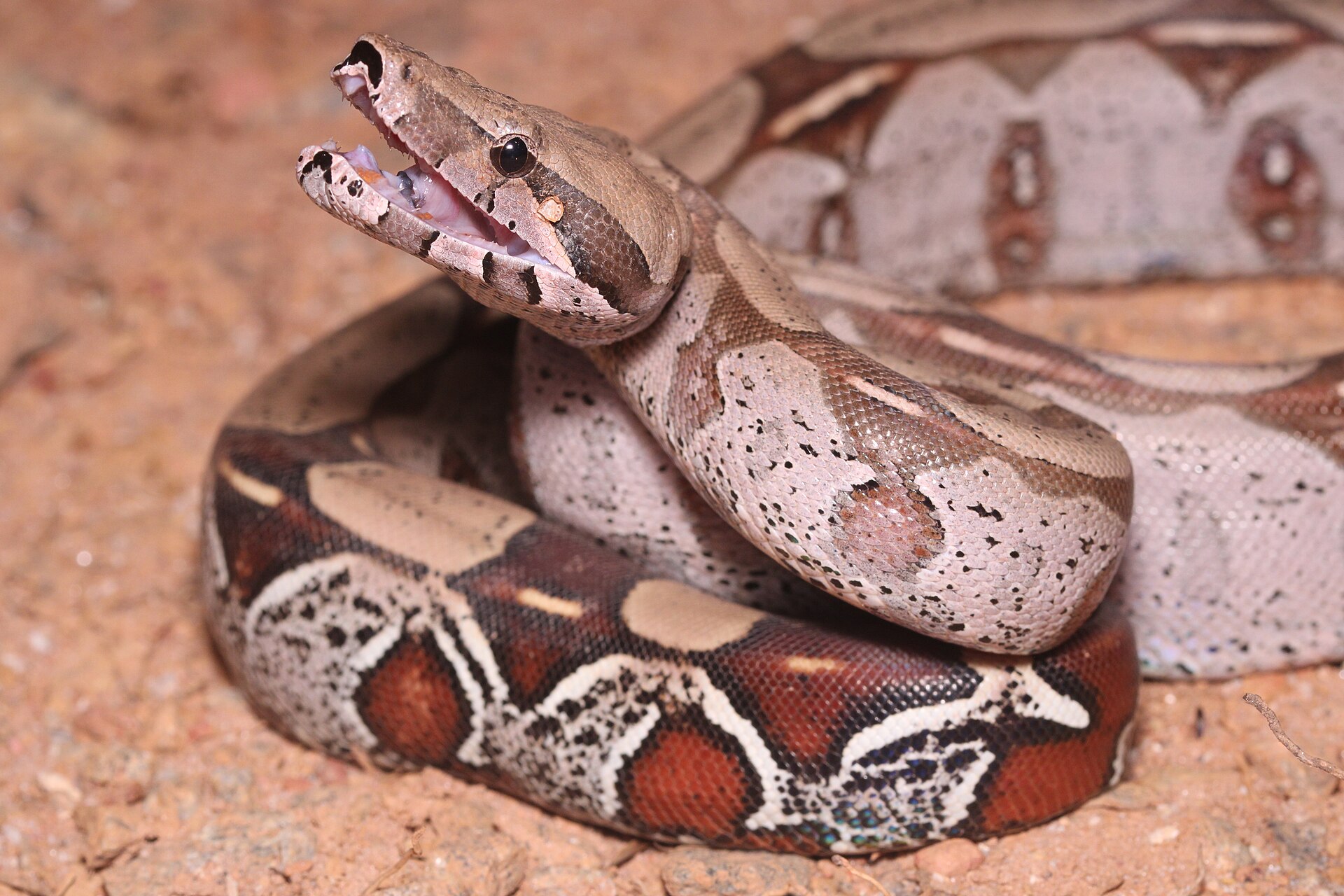 Boa Constrictor Full care guide · 74K searches/mo Guide
 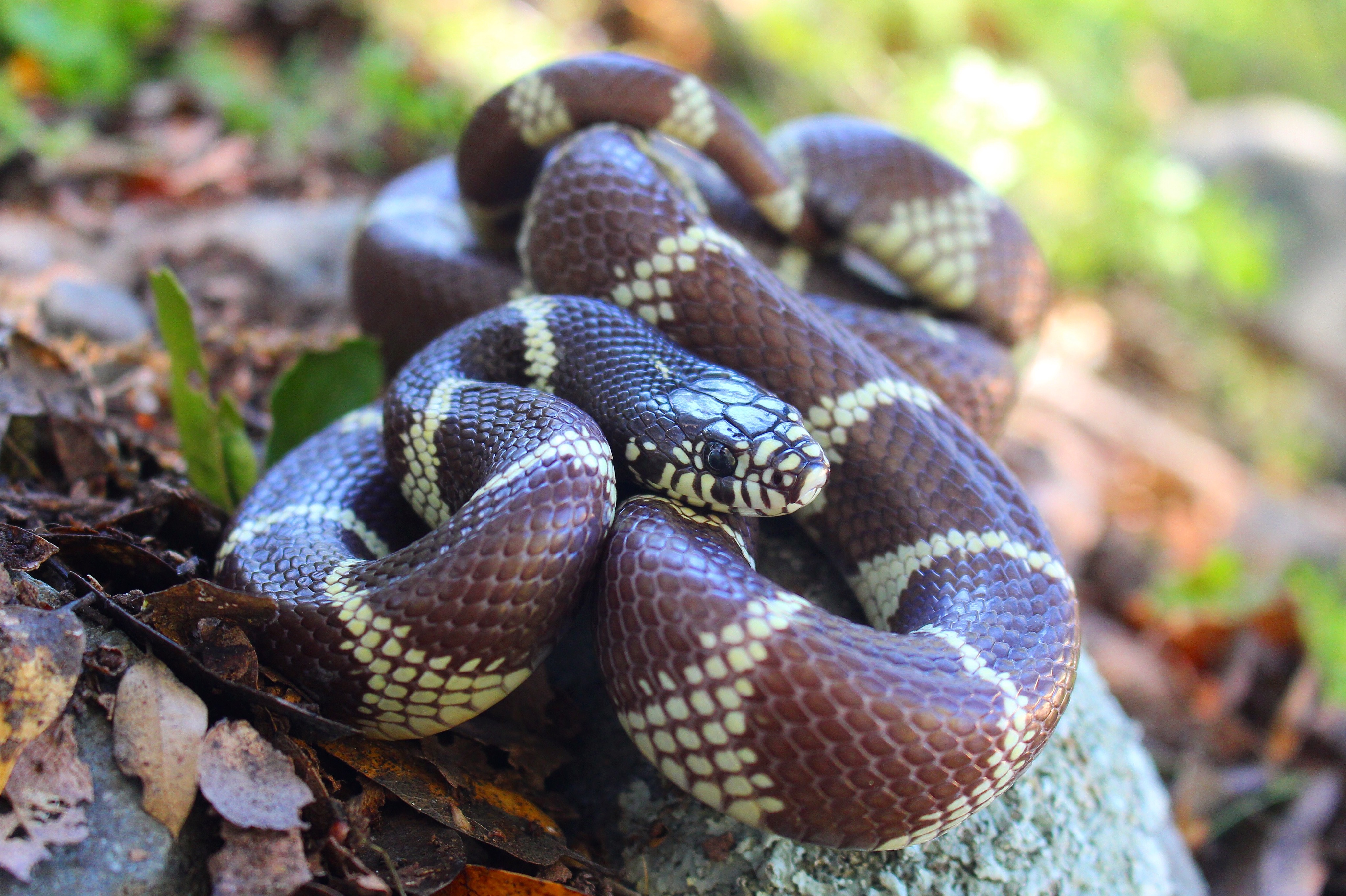 California Kingsnake Full care guide · 33K searches/mo Guide
 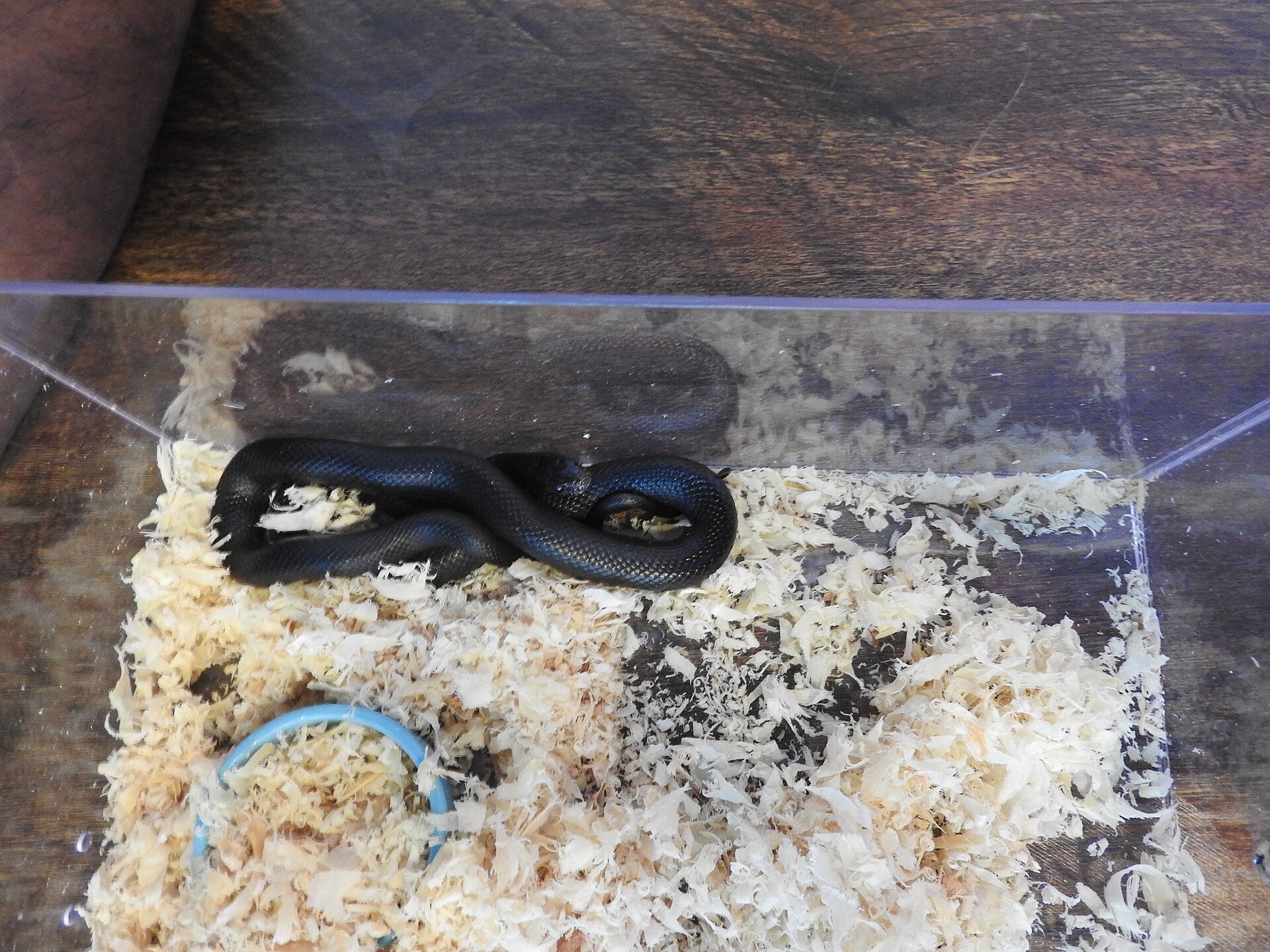 Mexican Black Kingsnake Full care guide · 18K searches/mo Guide
 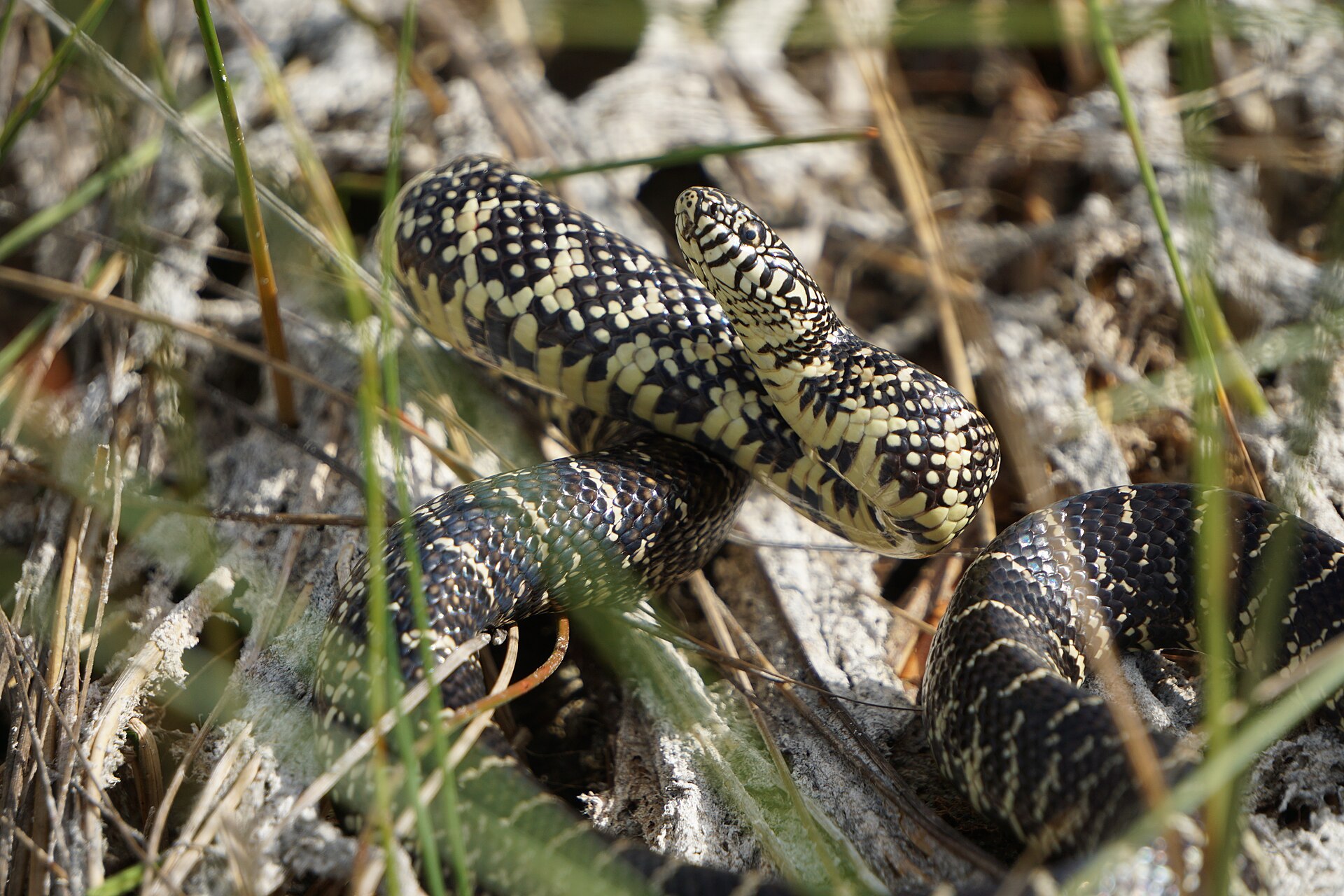 Florida Kingsnake Full care guide · 4K searches/mo Guide
 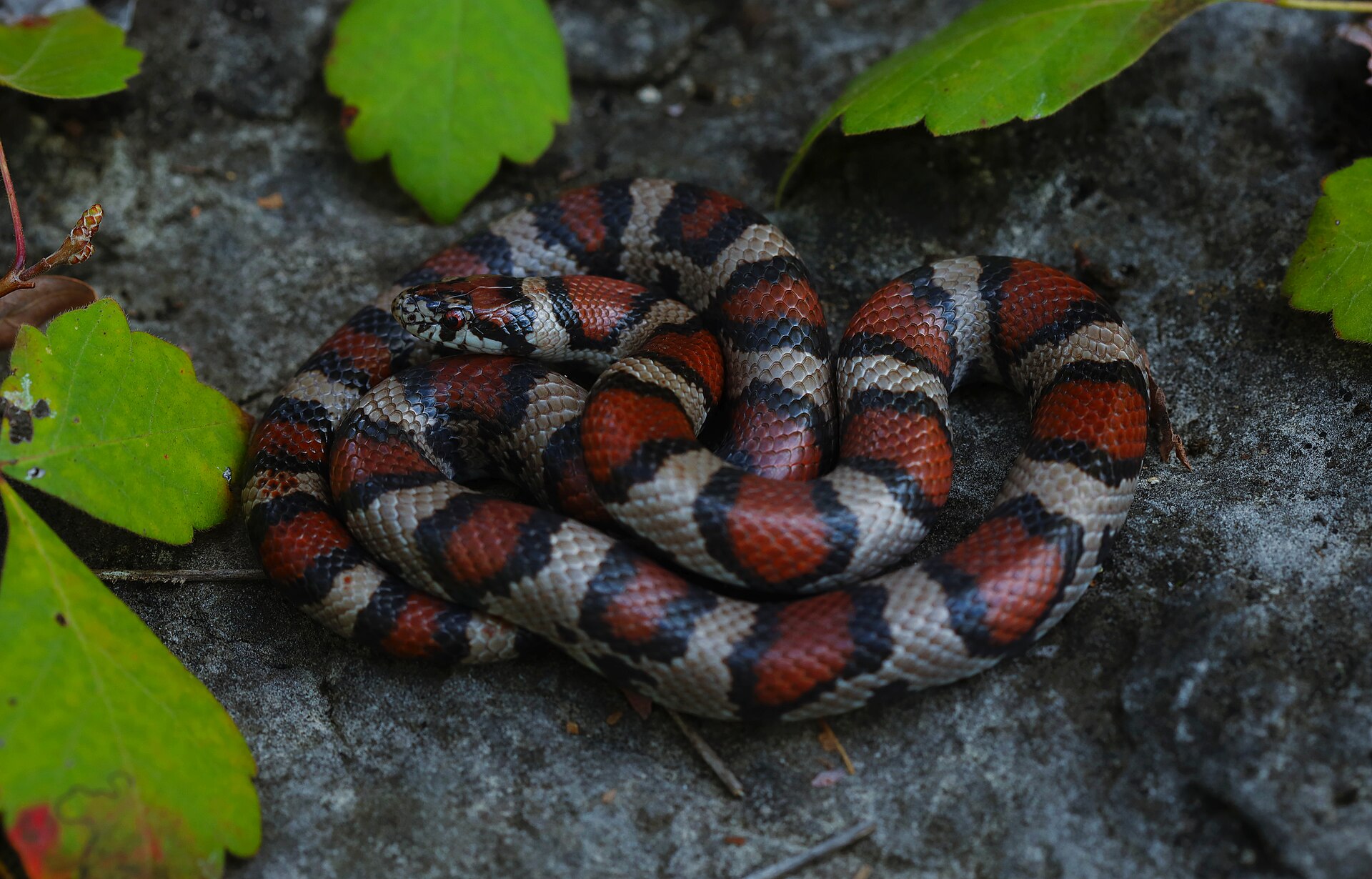 Milk Snake Full care guide Guide
 Lizards
Pet lizards range from the beginner-friendly bearded dragon to color-changing chameleons and large tegus. Most are active baskers that need a hot basking spot and strong UVB.
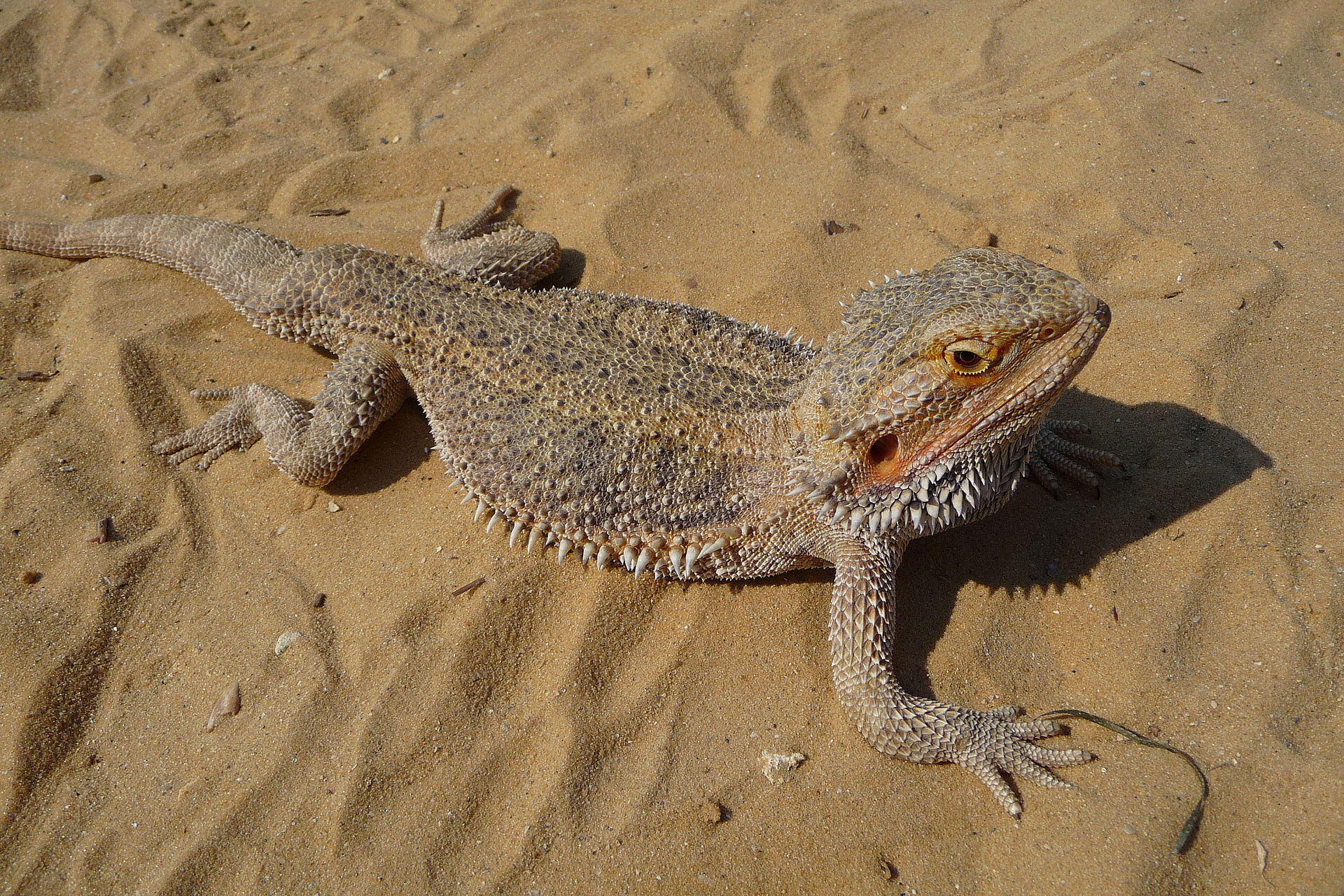 Bearded Dragon Full care guide · 368K searches/mo Guide
 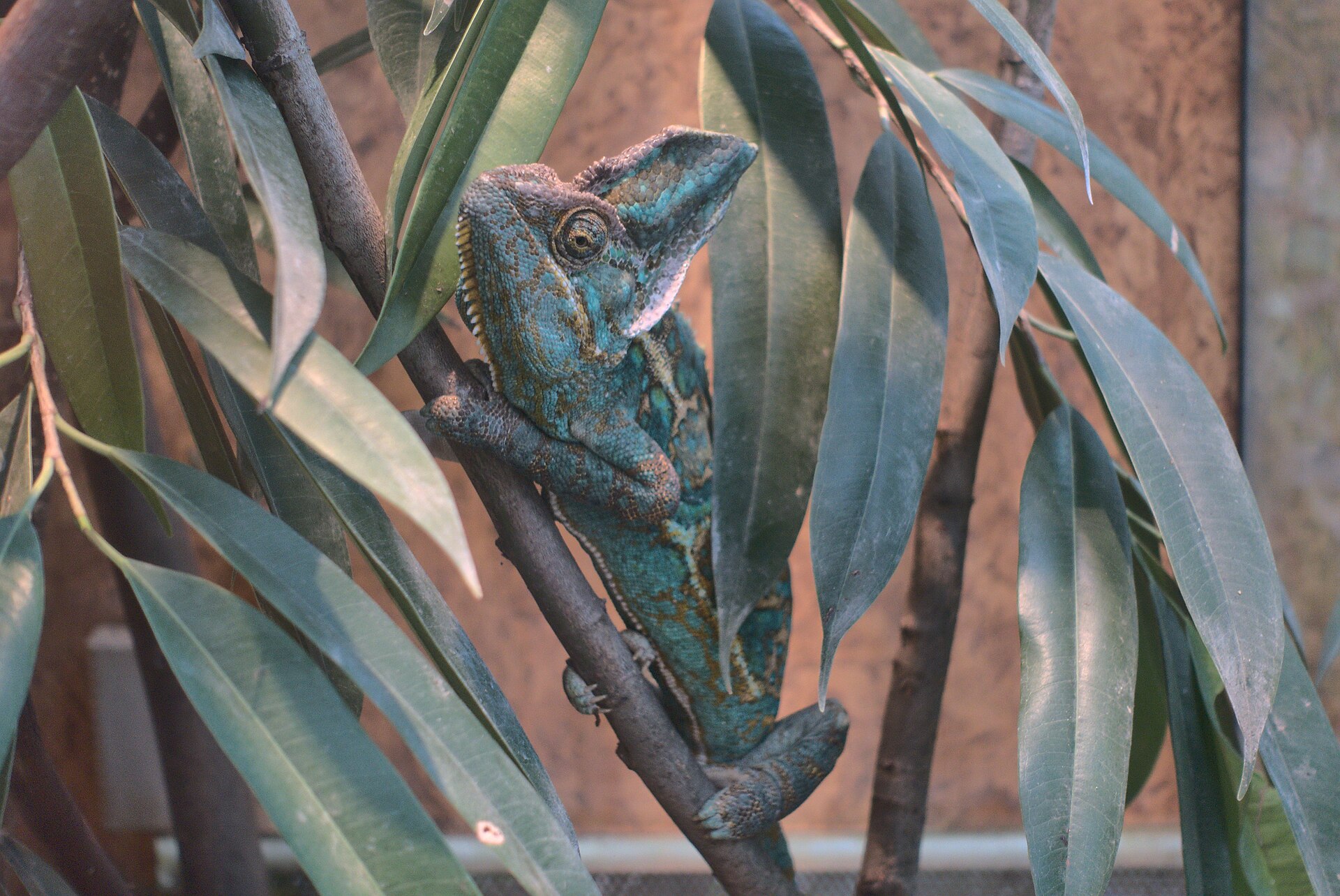 Chameleon Full care guide · 368K searches/mo Guide
 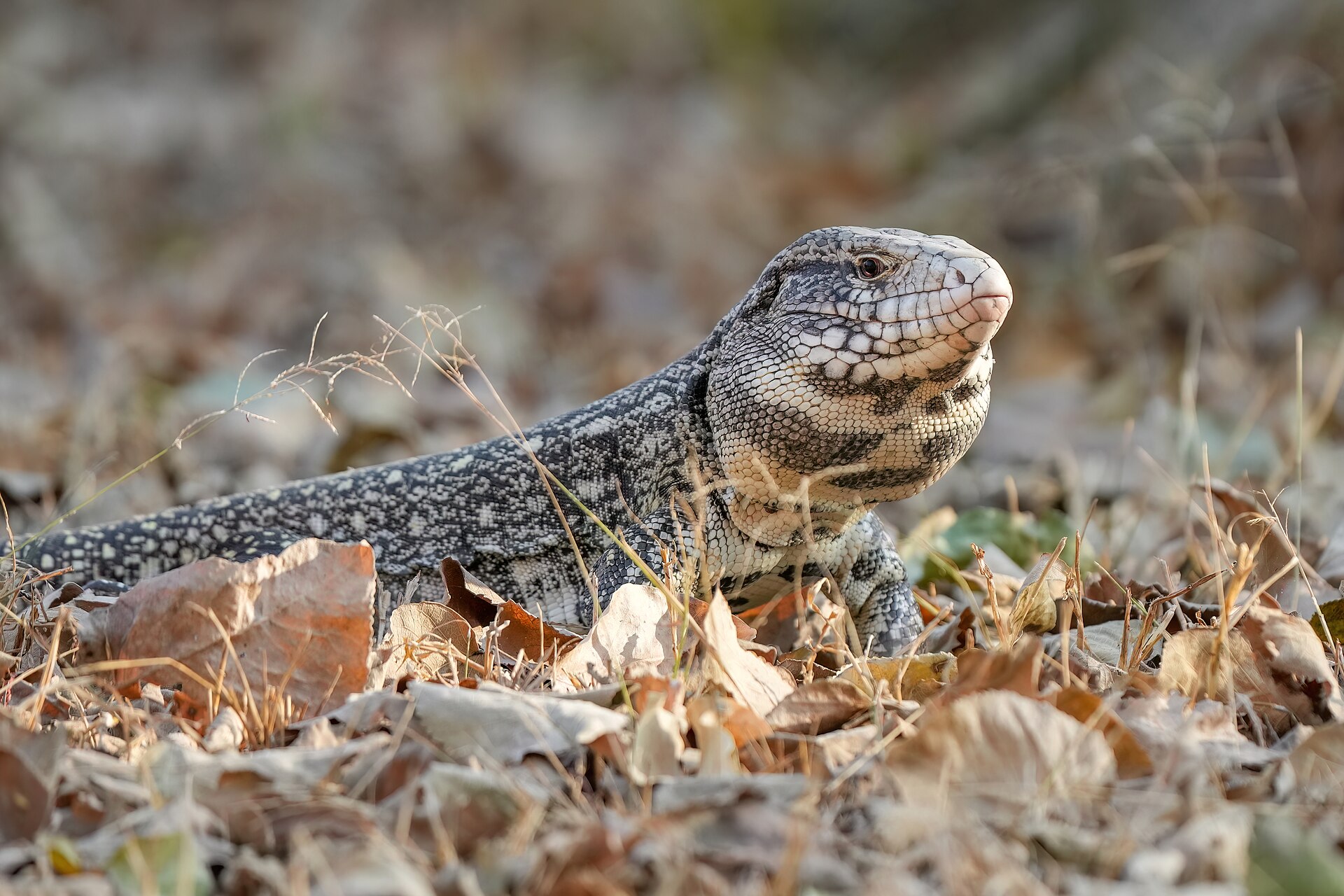 Tegu Full care guide · 61K searches/mo Guide
 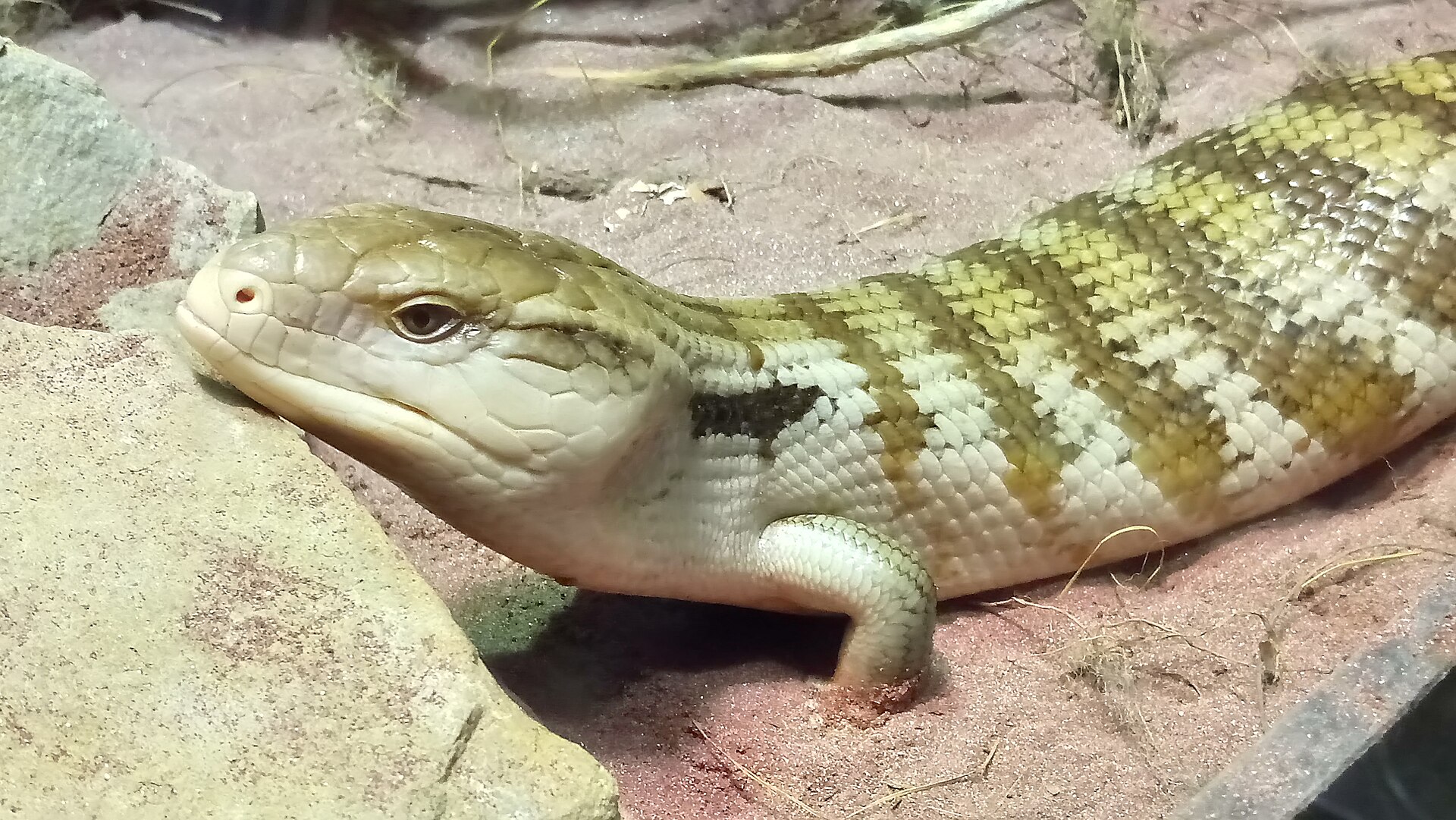 Blue-Tongue Skink Full care guide · 50K searches/mo Guide
 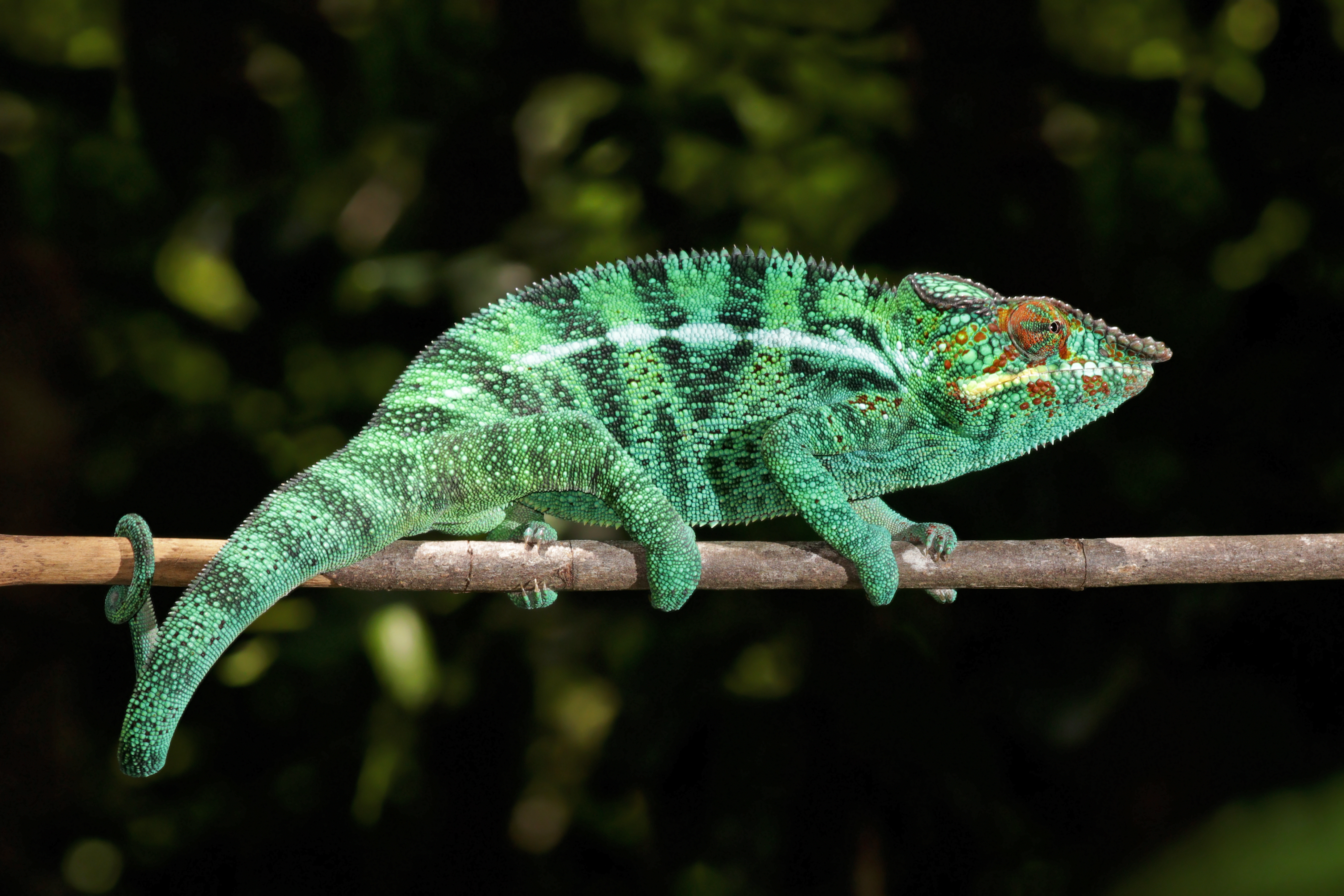 Panther Chameleon Full care guide · 33K searches/mo Guide
 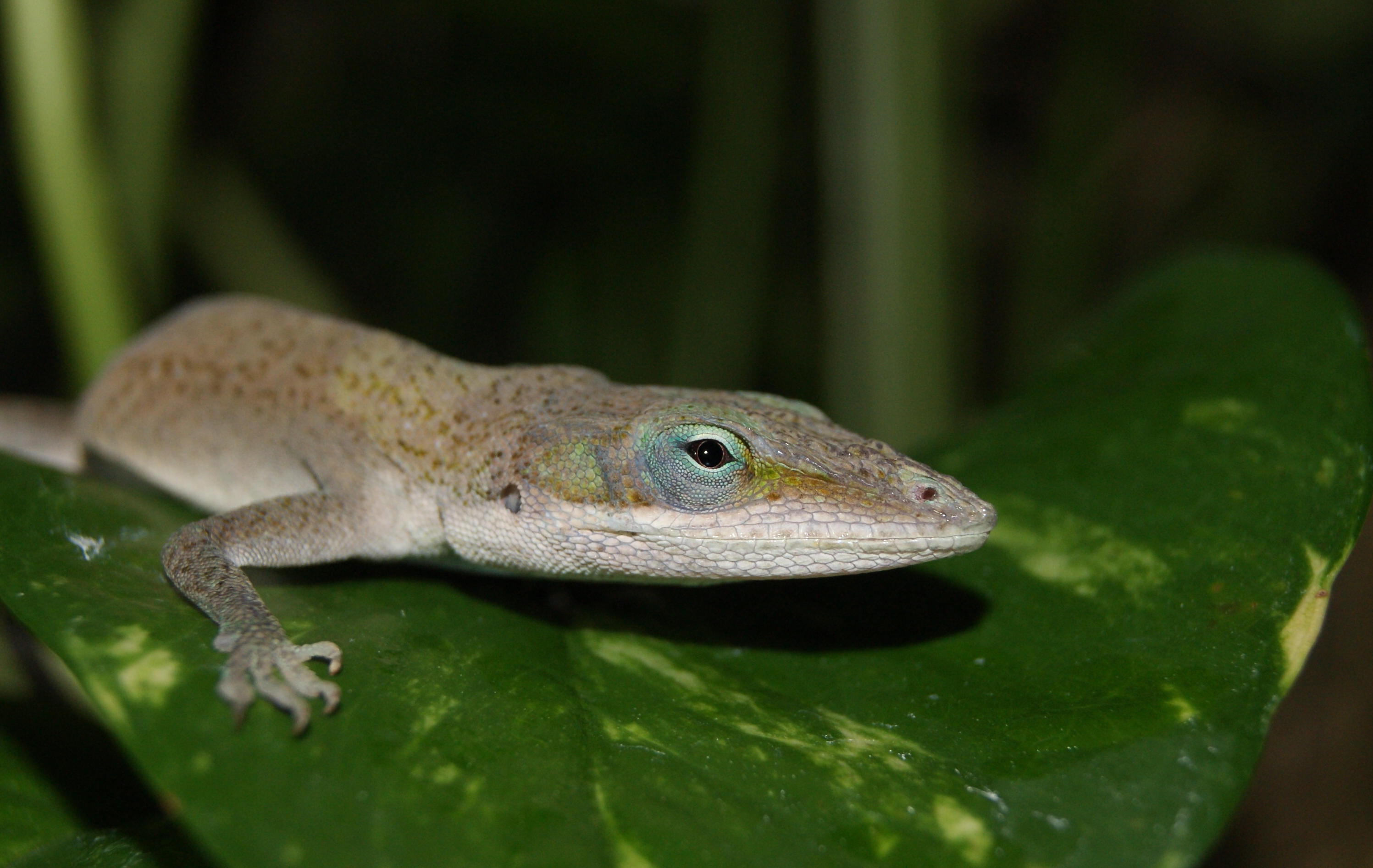 Green Anole Full care guide · 33K searches/mo Guide
 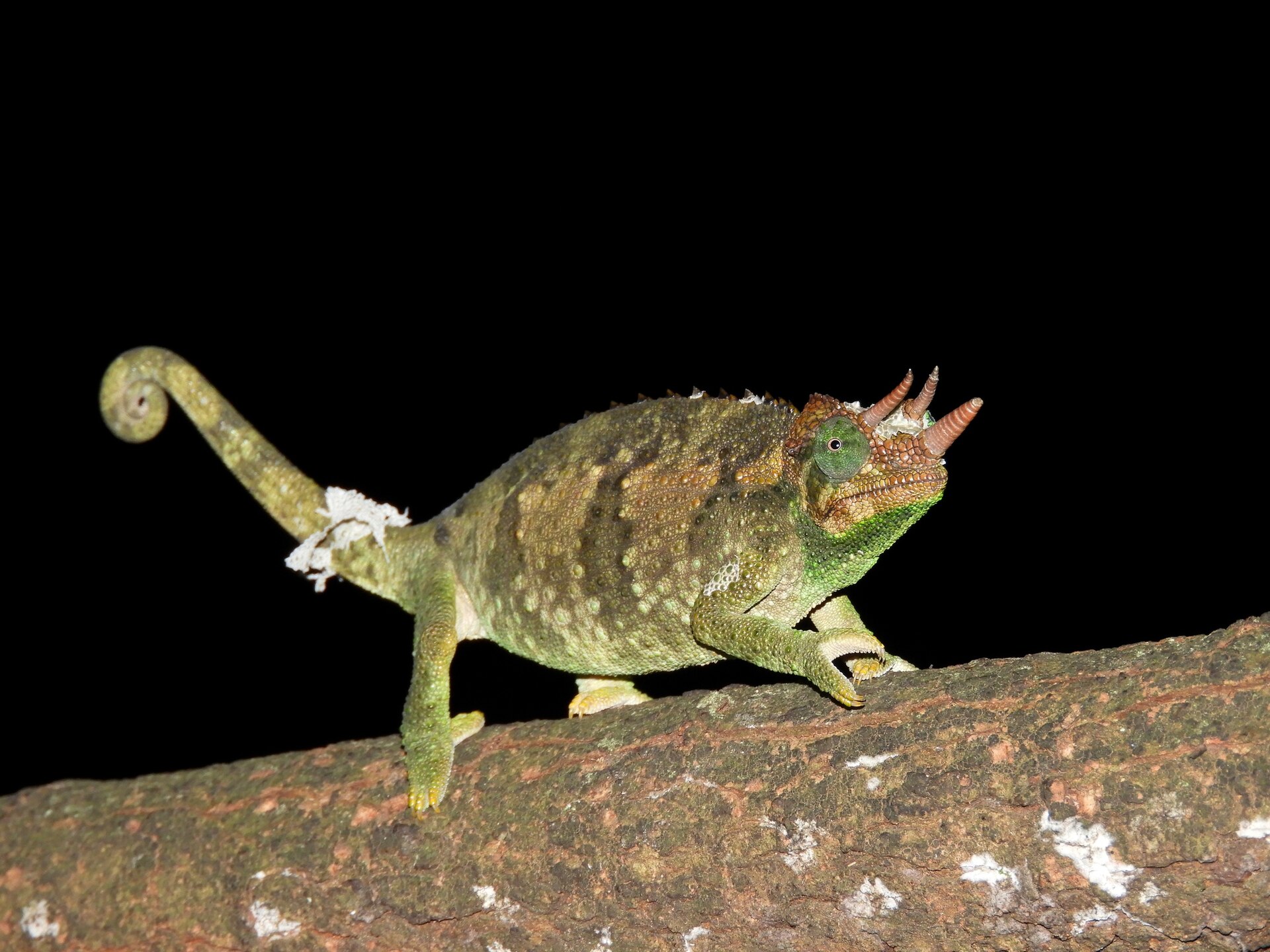 Jackson's Chameleon Full care guide · 22K searches/mo Guide
 Geckos
Pet geckos such as the leopard gecko and crested gecko are among the easiest reptiles to keep — small, hardy, and (for crested geckos) needing no special heating or UVB.
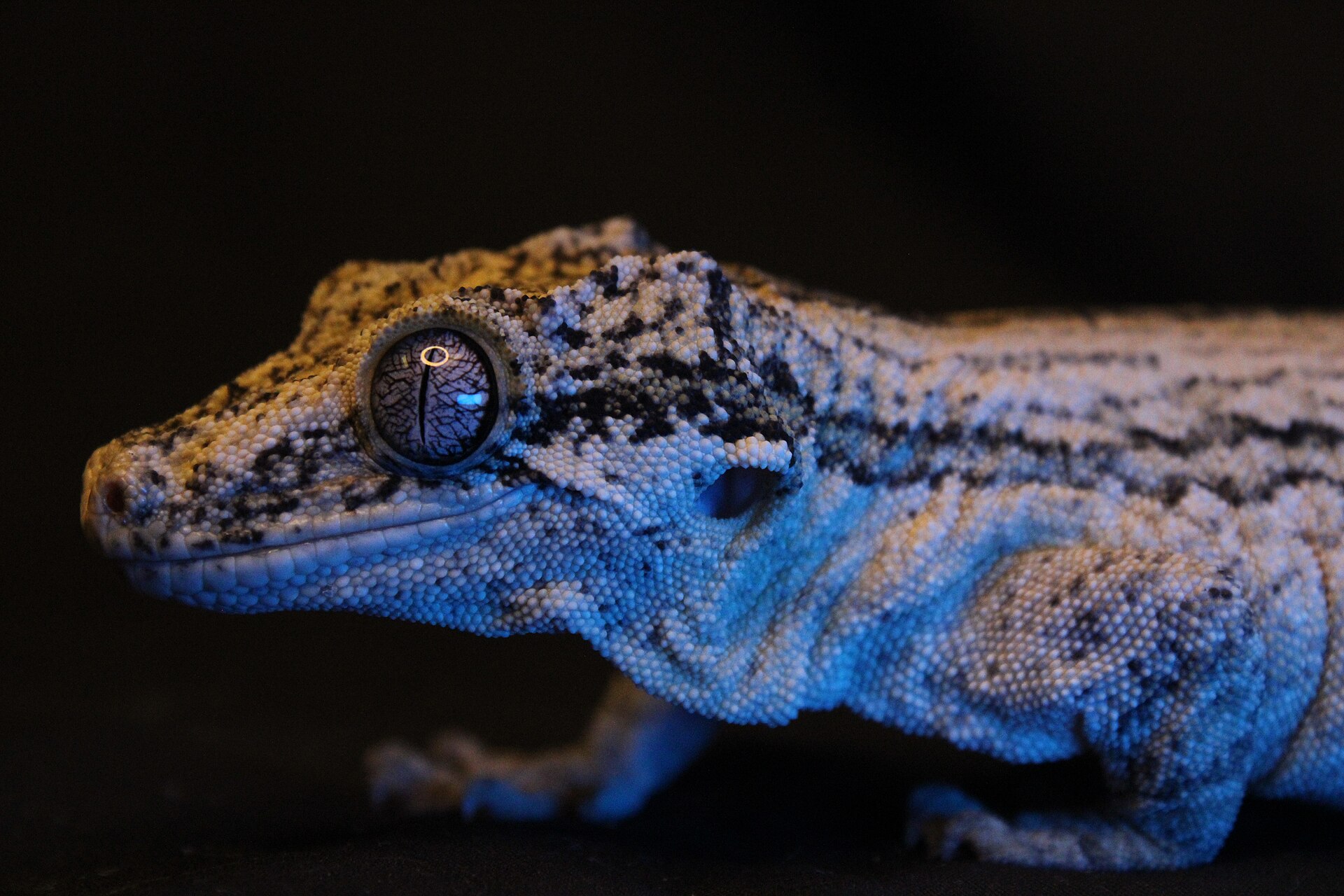
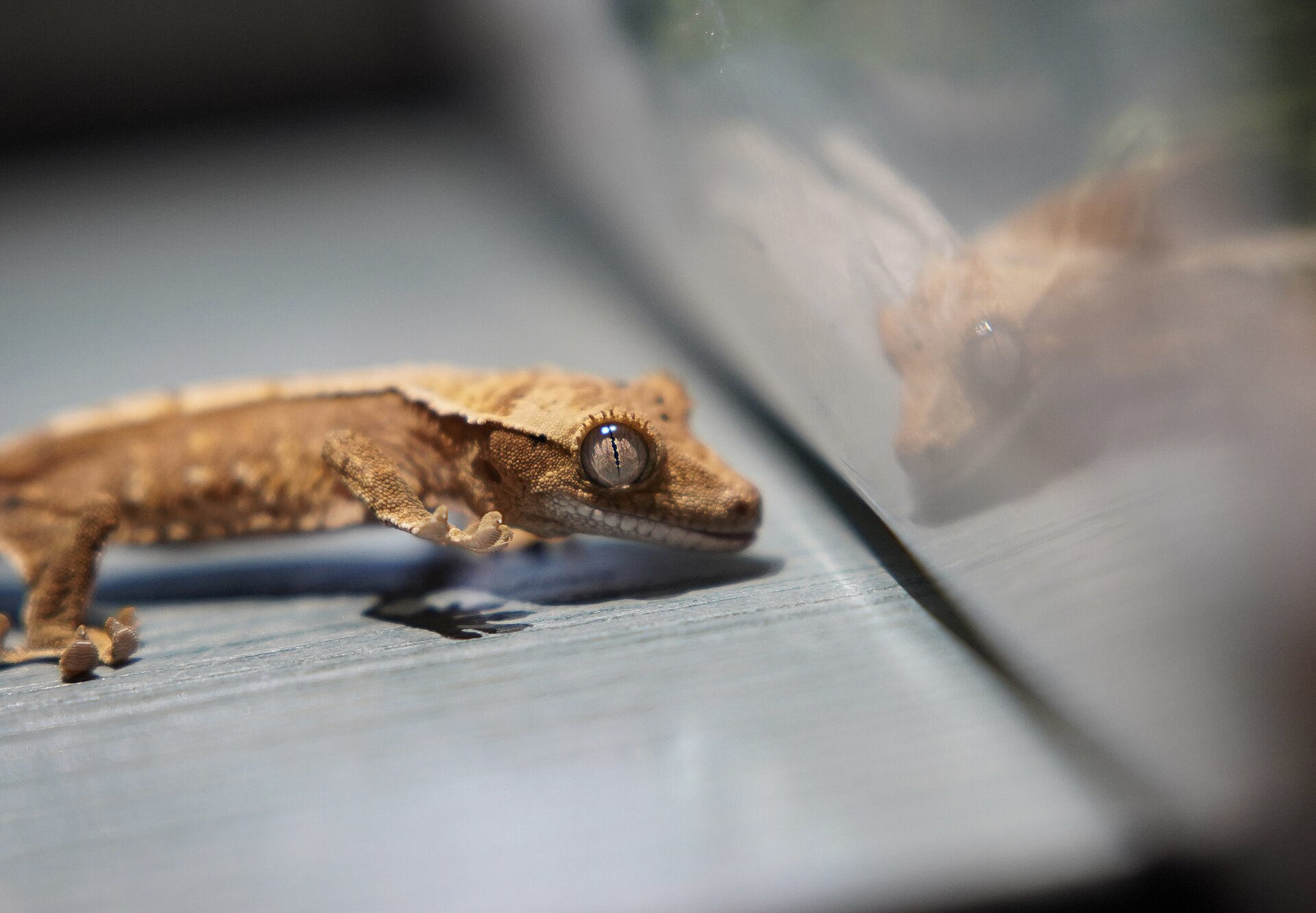
Turtles & Tortoises
Pet turtles and tortoises split into aquatic turtles like the red-eared slider (filtered water + a basking dock) and grazing tortoises like the sulcata and Russian — both need strong UVB and decades of commitment.
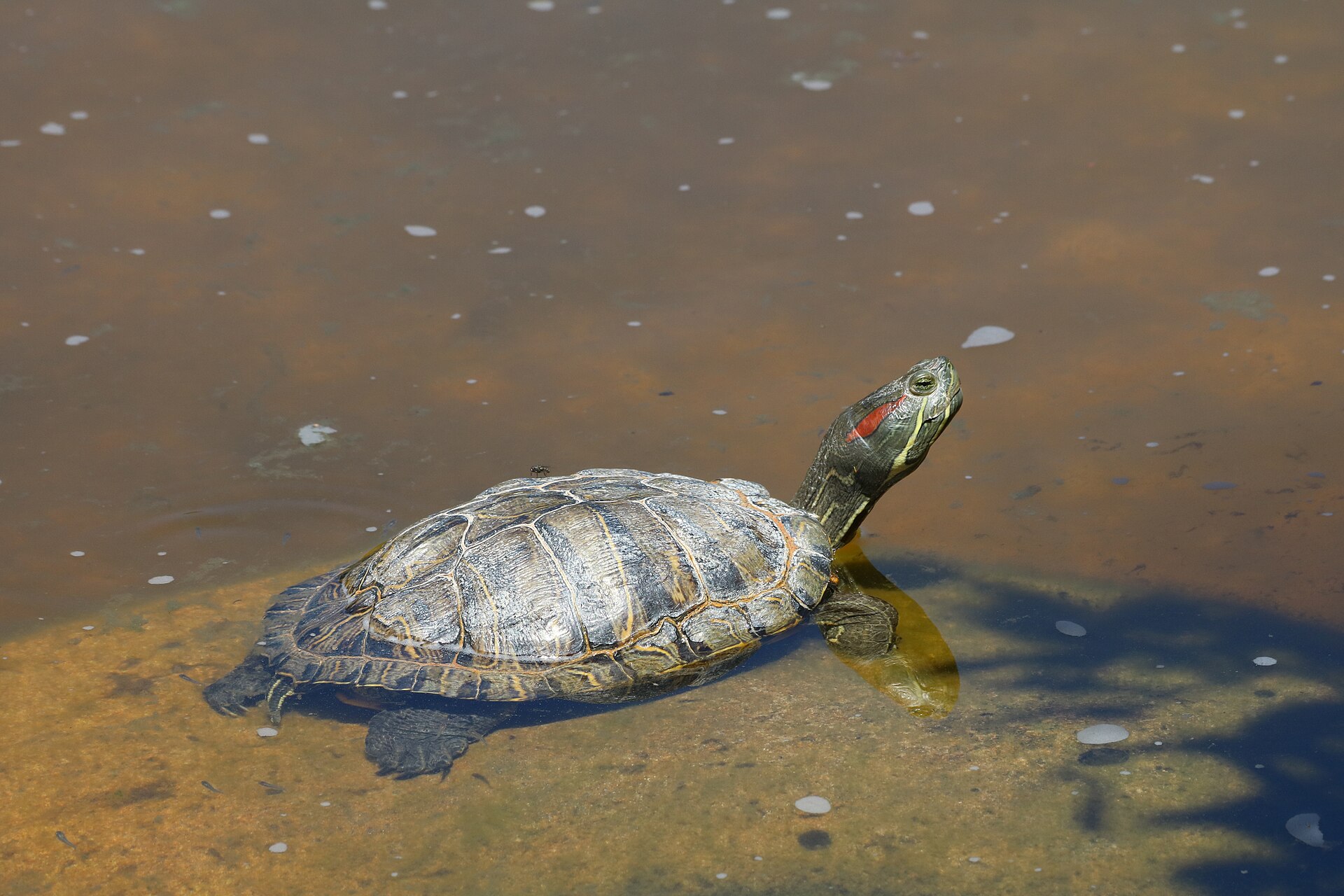 Red-Eared Slider Full care guide · 91K searches/mo Guide
  Sulcata Tortoise Full care guide · 61K searches/mo Guide
 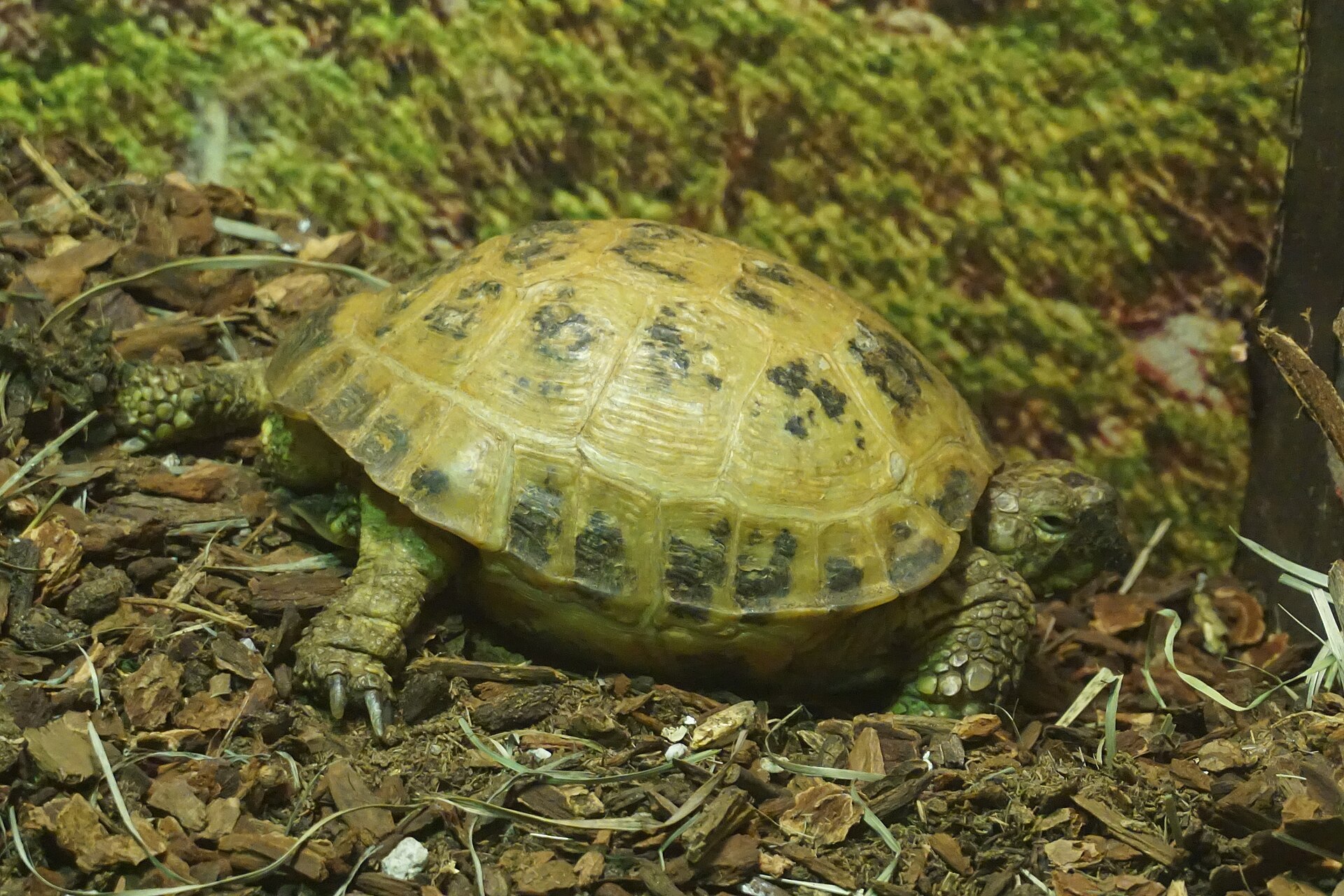 Russian Tortoise Full care guide · 27K searches/mo Guide
 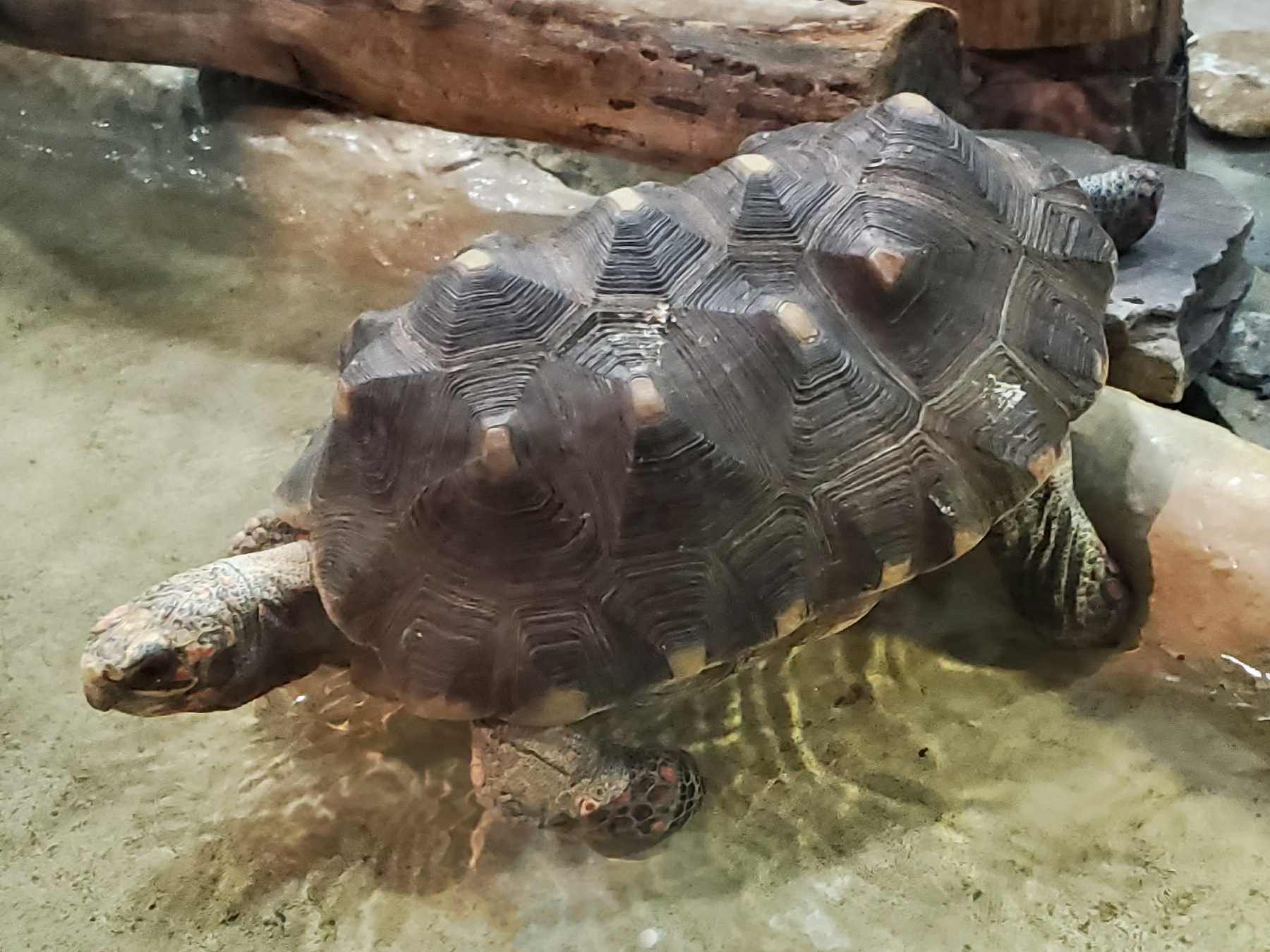 Red-Footed Tortoise Full care guide · 22K searches/mo Guide
 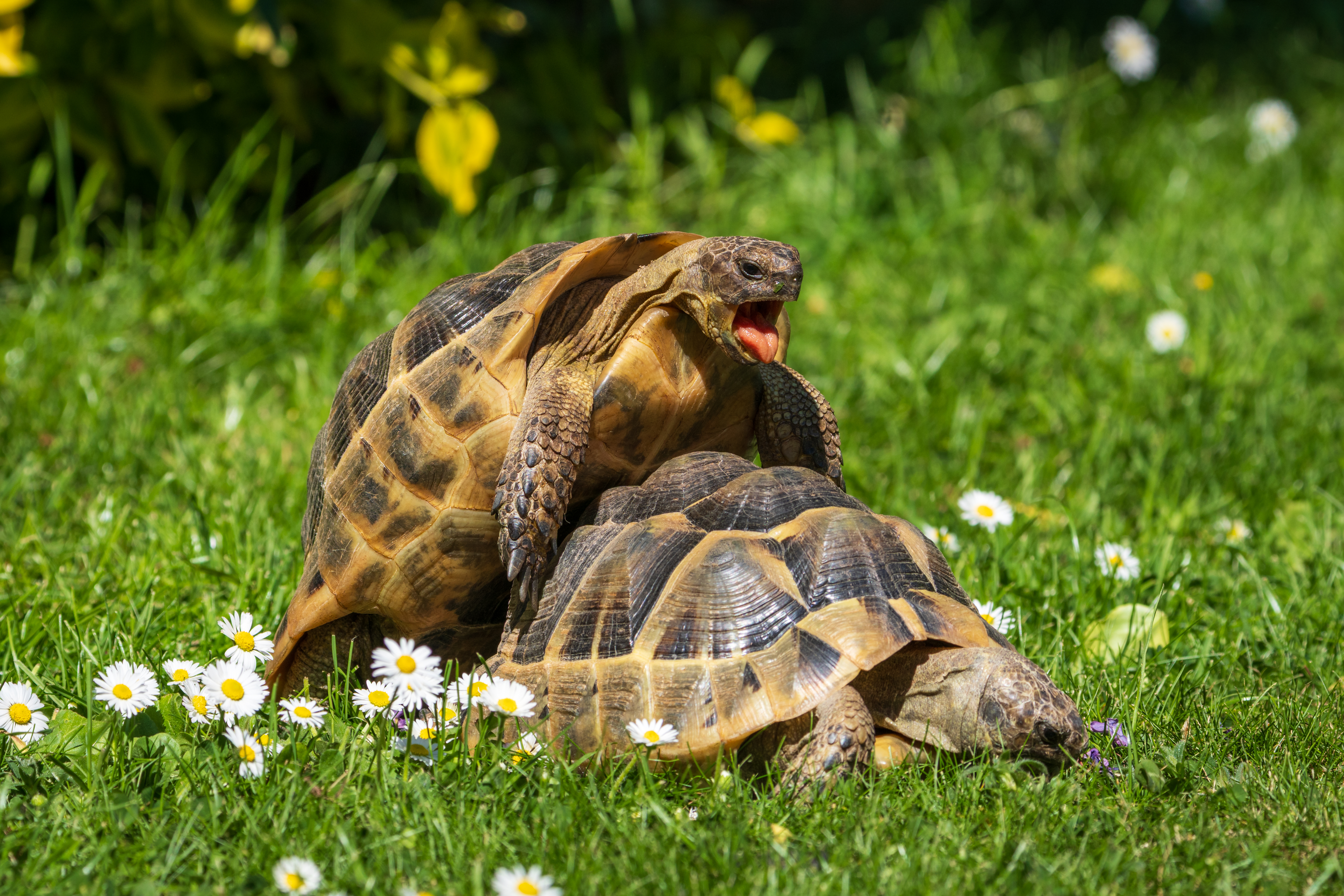 Hermann's Tortoise Full care guide · 18K searches/mo Guide
 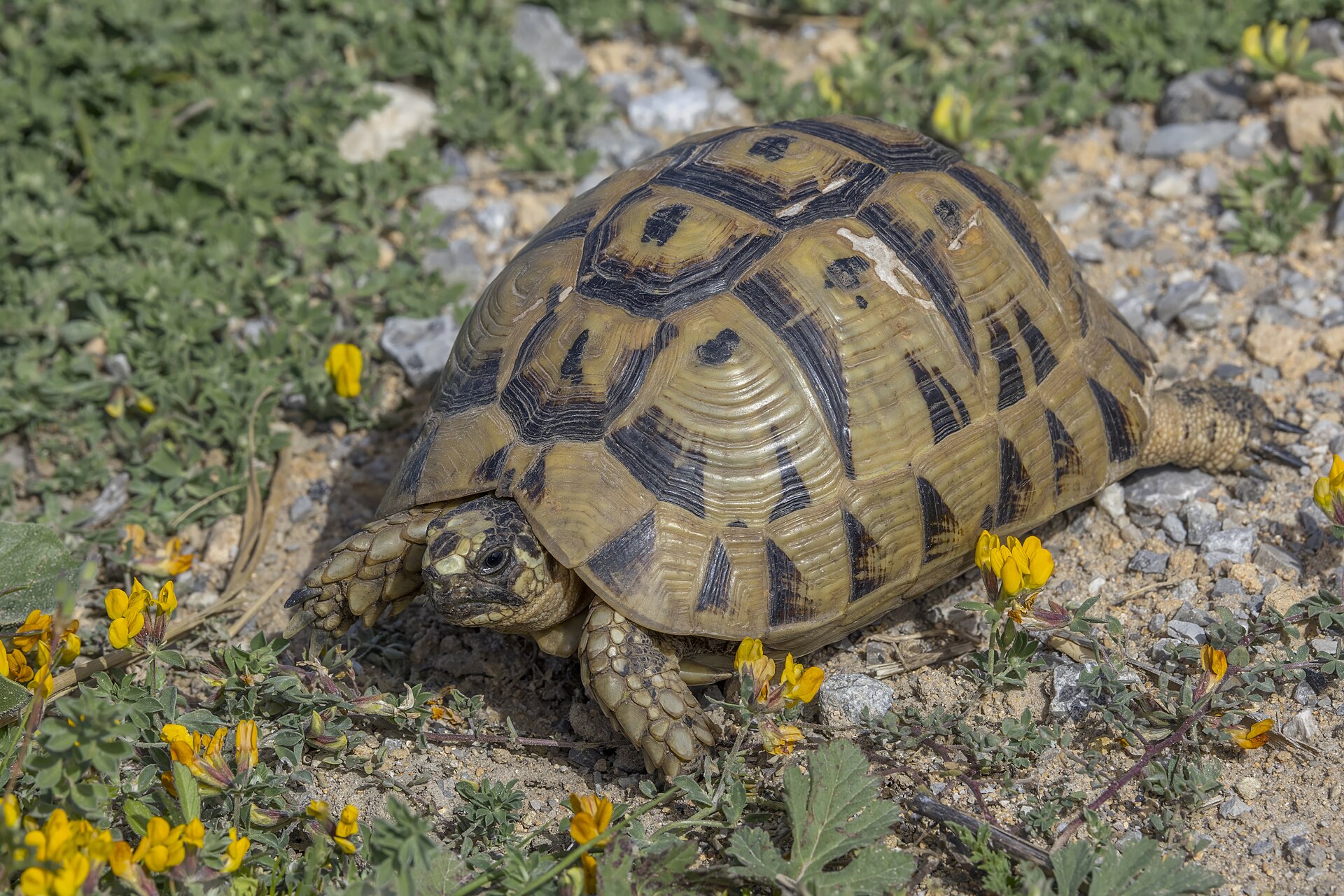 Greek Tortoise Full care guide · 5K searches/mo Guide
 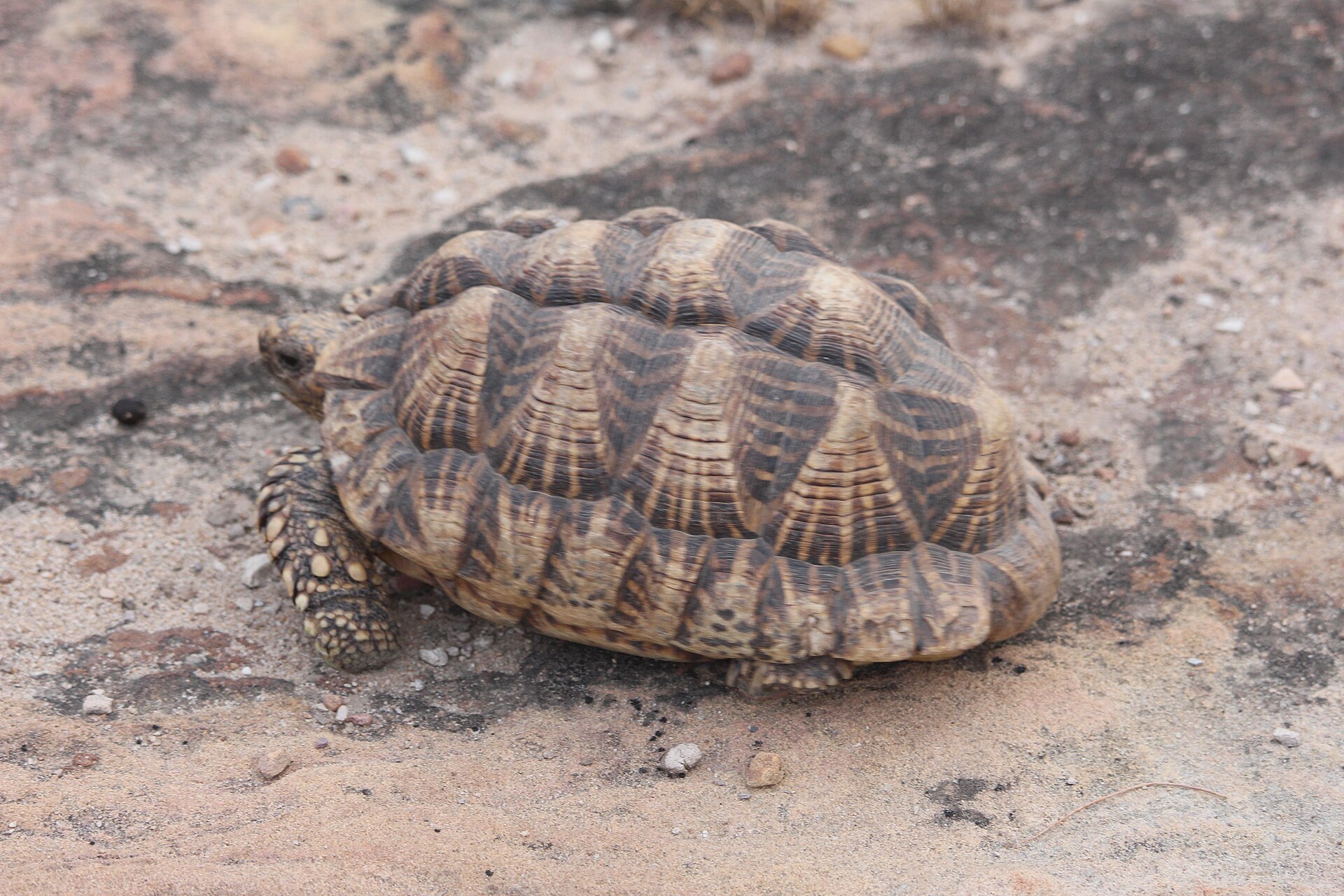 Star Tortoise Full care guide · 4K searches/mo Guide
 Amphibians
Pet amphibians — dart frogs, tree frogs, and pacman frogs — are kept at room temperature in humid, planted bioactive vivariums and eat small live insects like fruit flies and crickets.
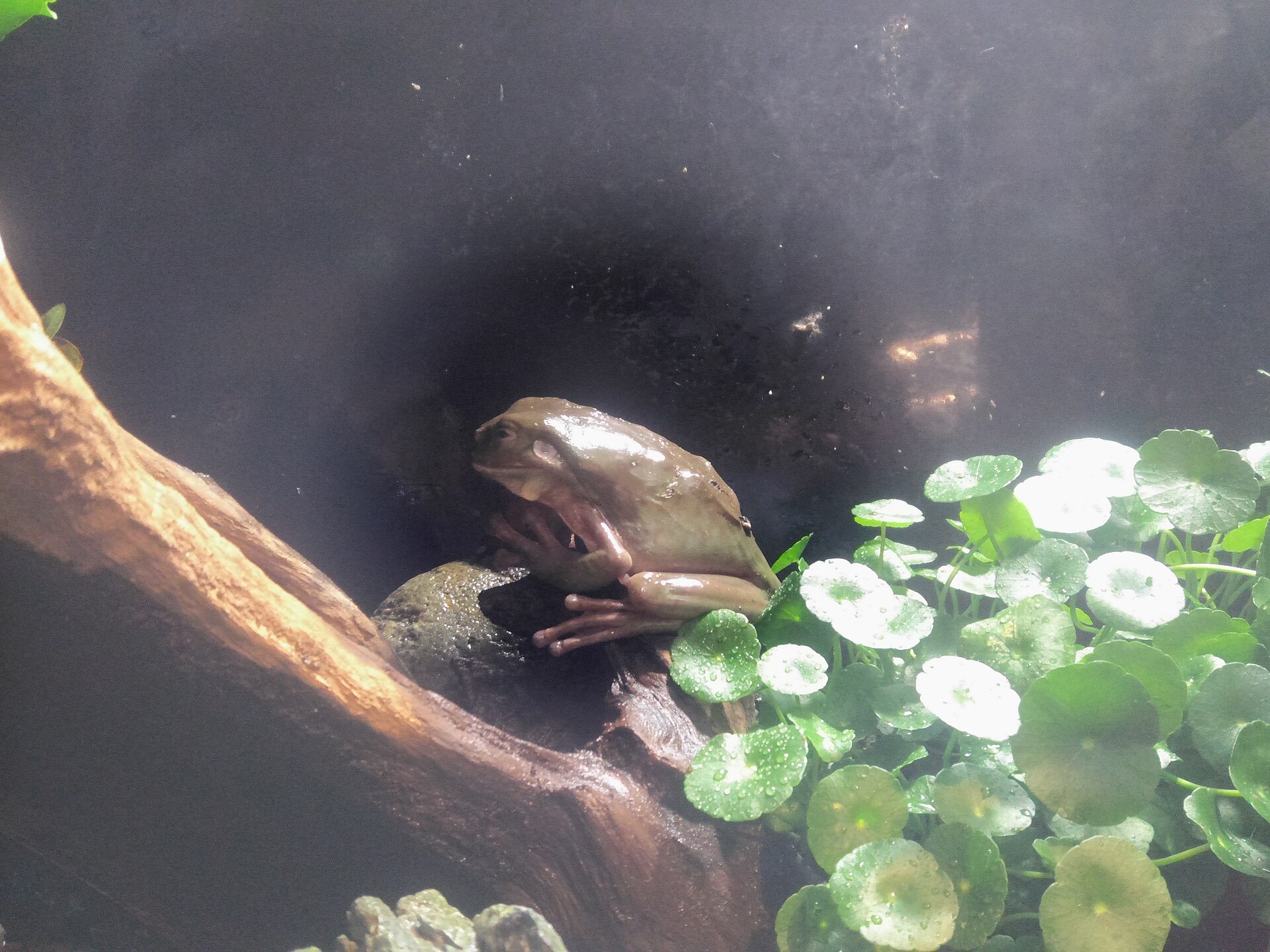 Tree Frog Full care guide · 832K searches/mo Guide
 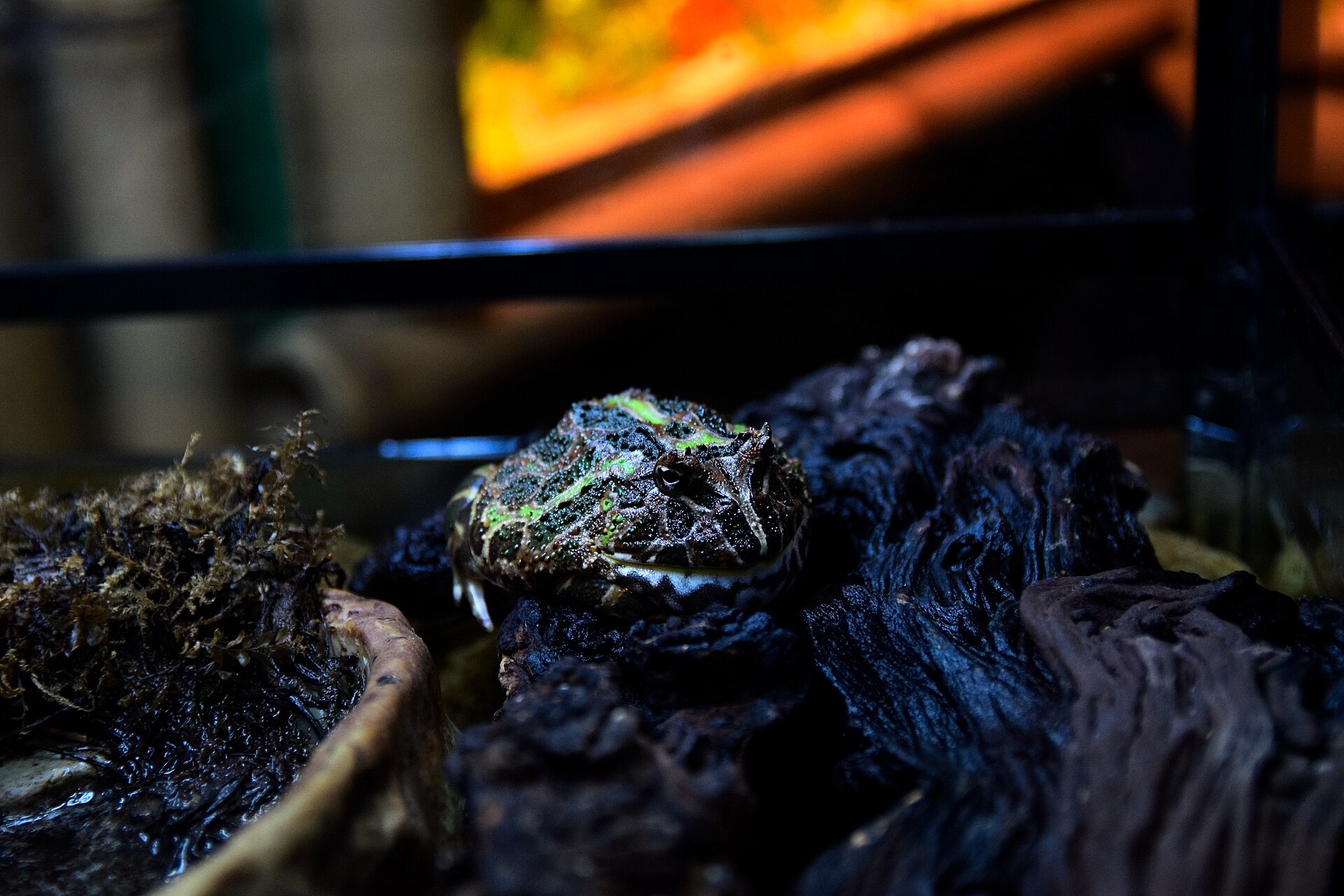 Pacman Frog Full care guide · 204K searches/mo Guide
 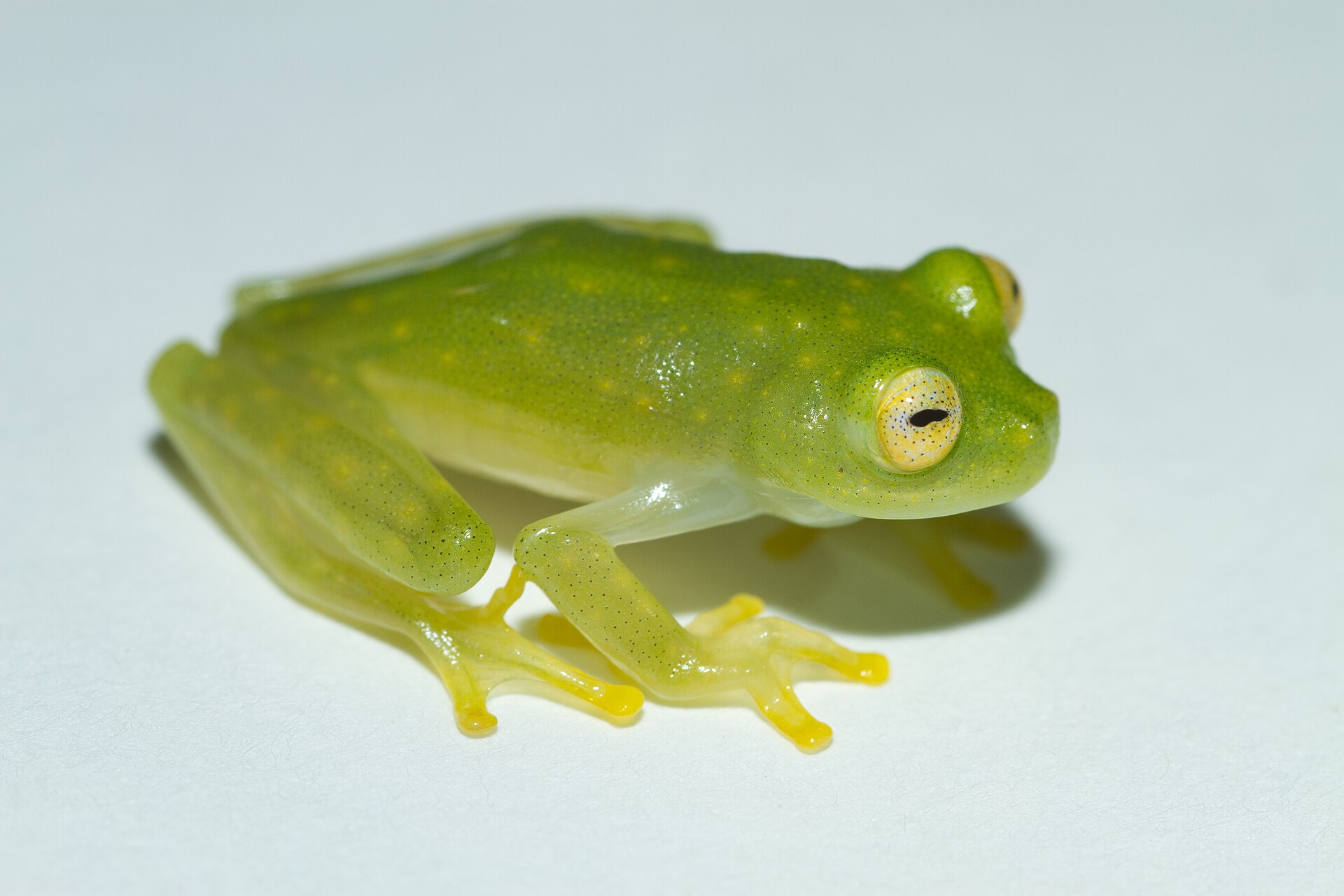 Glass Frog Full care guide · 103K searches/mo Guide
 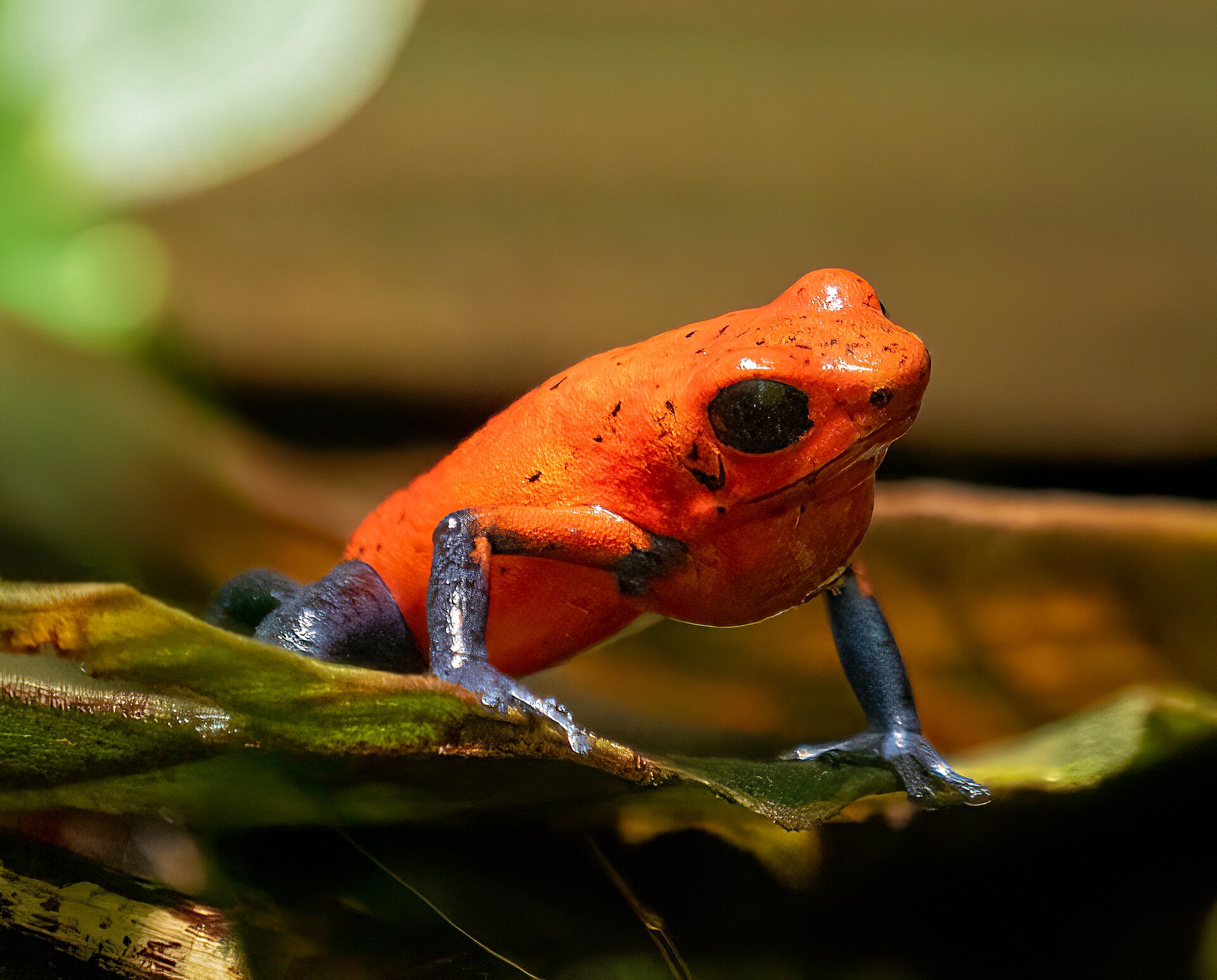 Strawberry Dart Frog Full care guide · 27K searches/mo Guide
 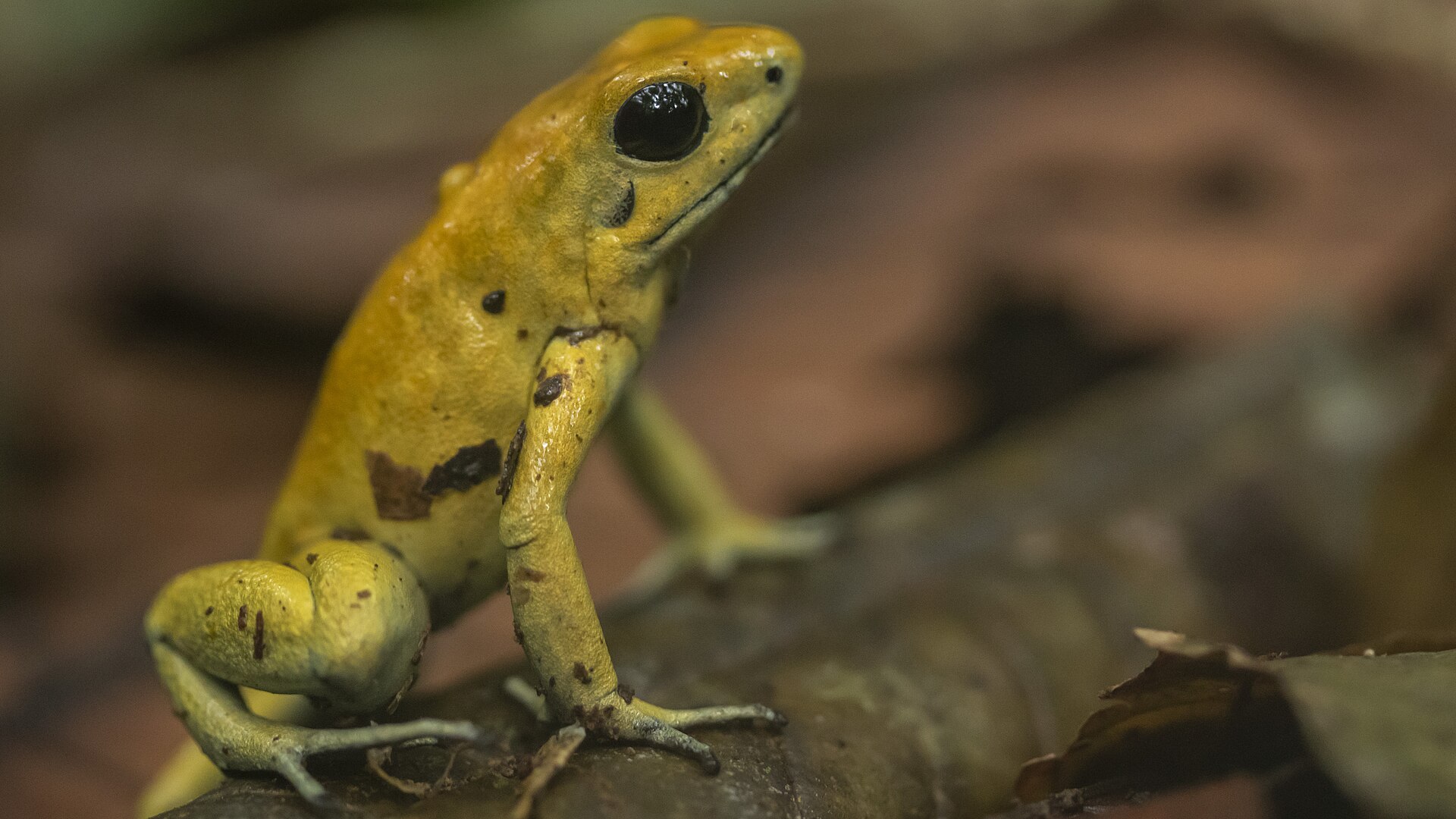 Golden Poison Frog Full care guide · 16K searches/mo Guide
 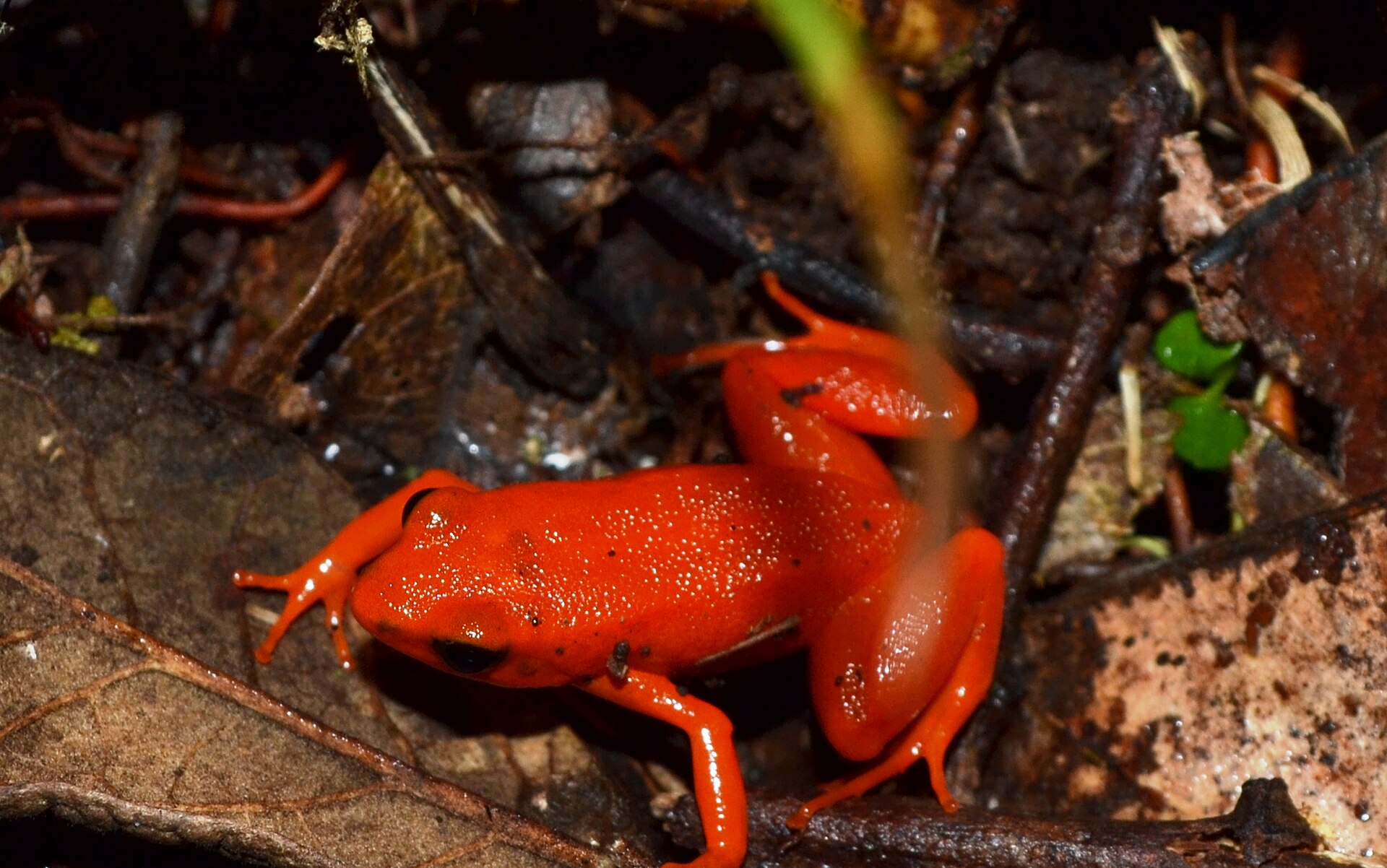 Golden Mantella Full care guide · 15K searches/mo Guide
 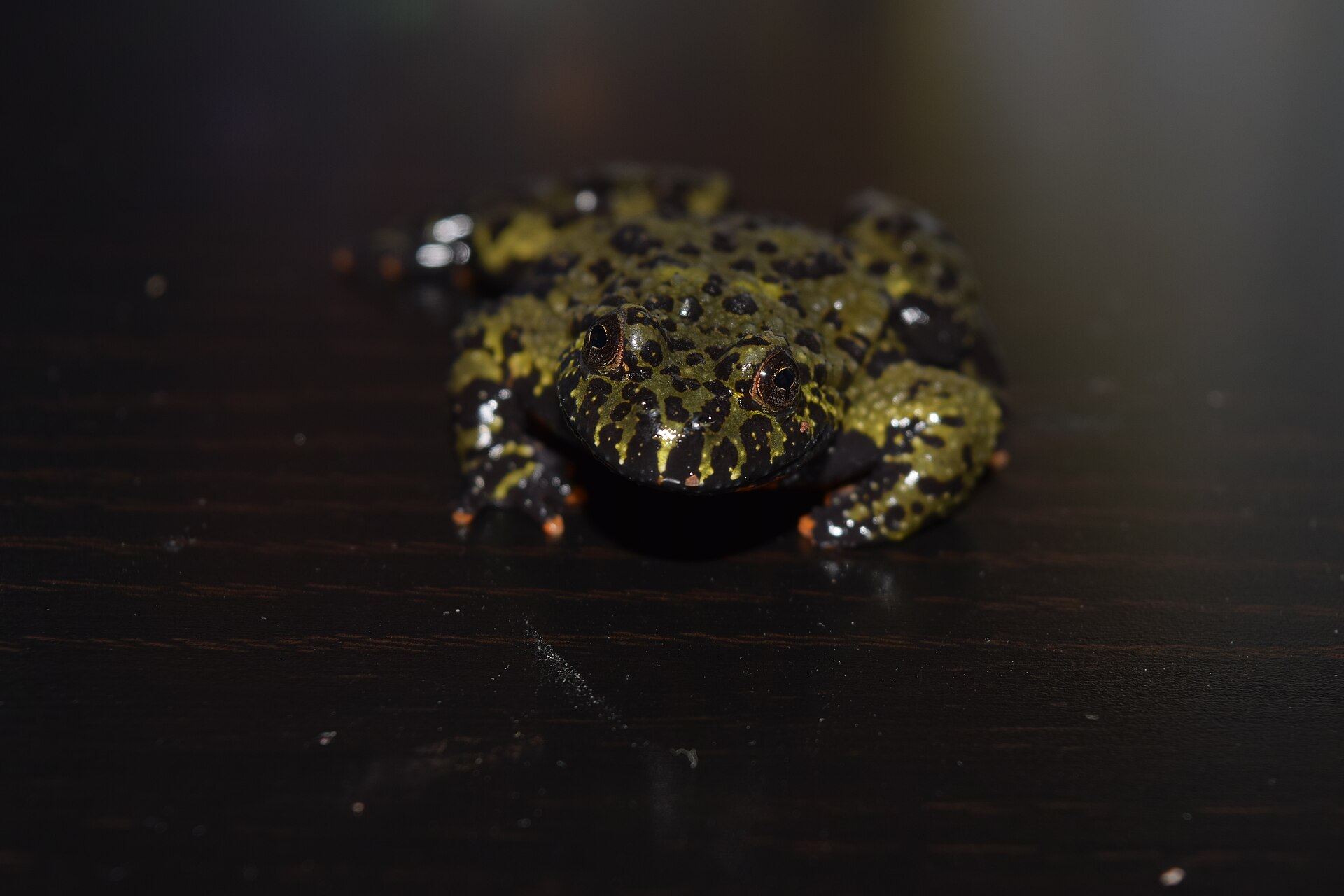 Fire-Bellied Toad Full care guide · 11K searches/mo Guide
 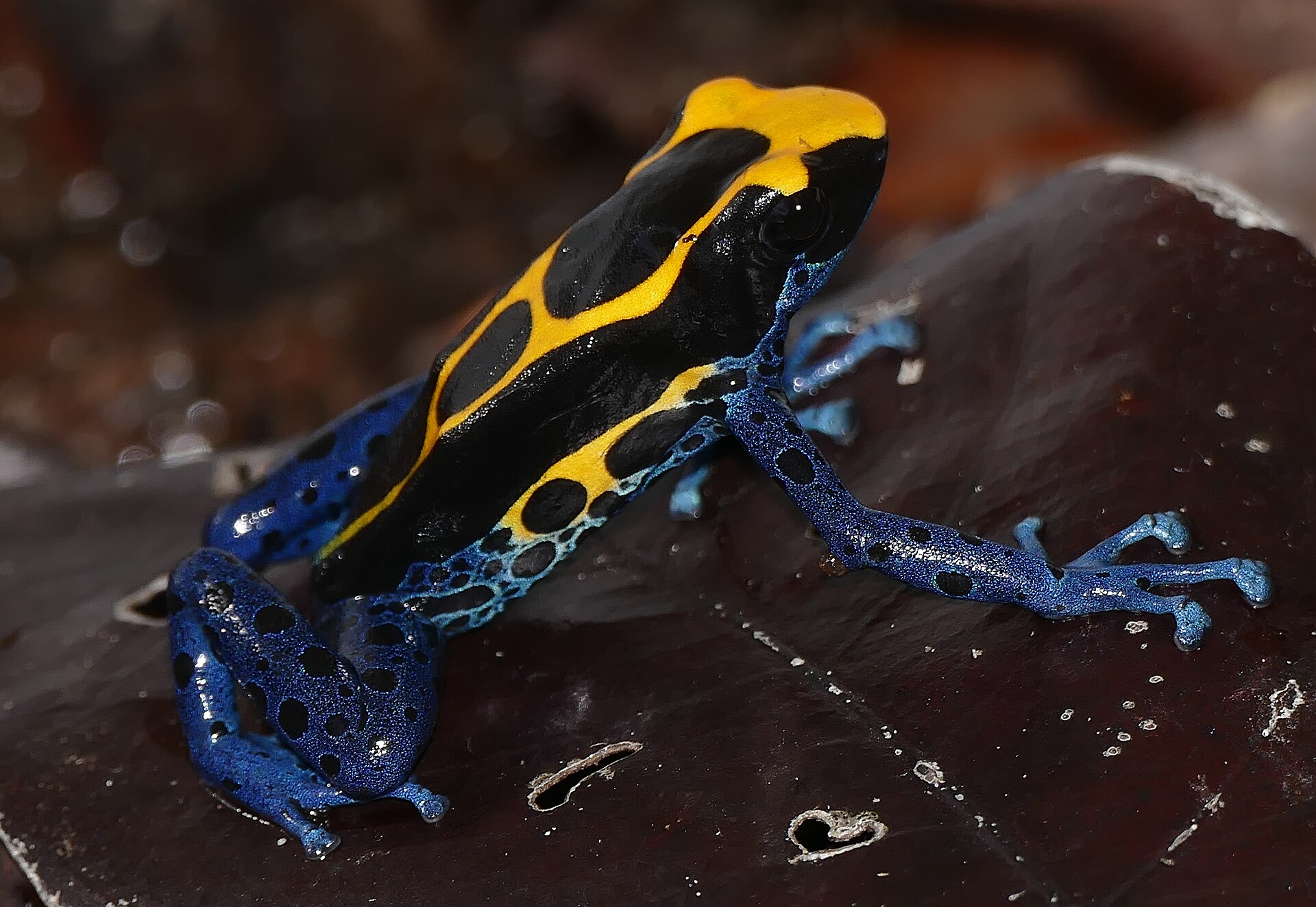 Dyeing Dart Frog Full care guide · 11K searches/mo Guide
 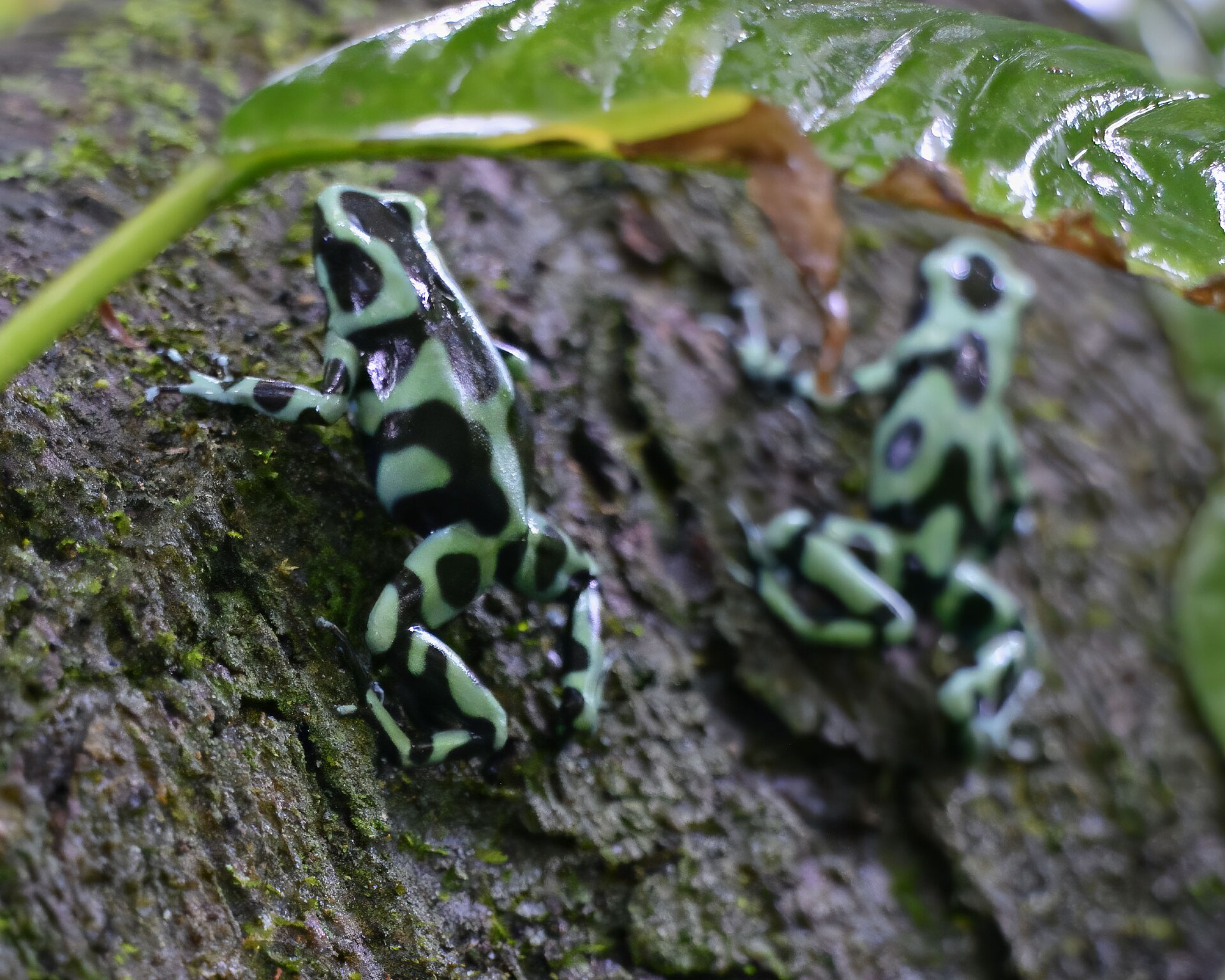 Green-and-Black Dart Frog Full care guide · 8K searches/mo Guide
 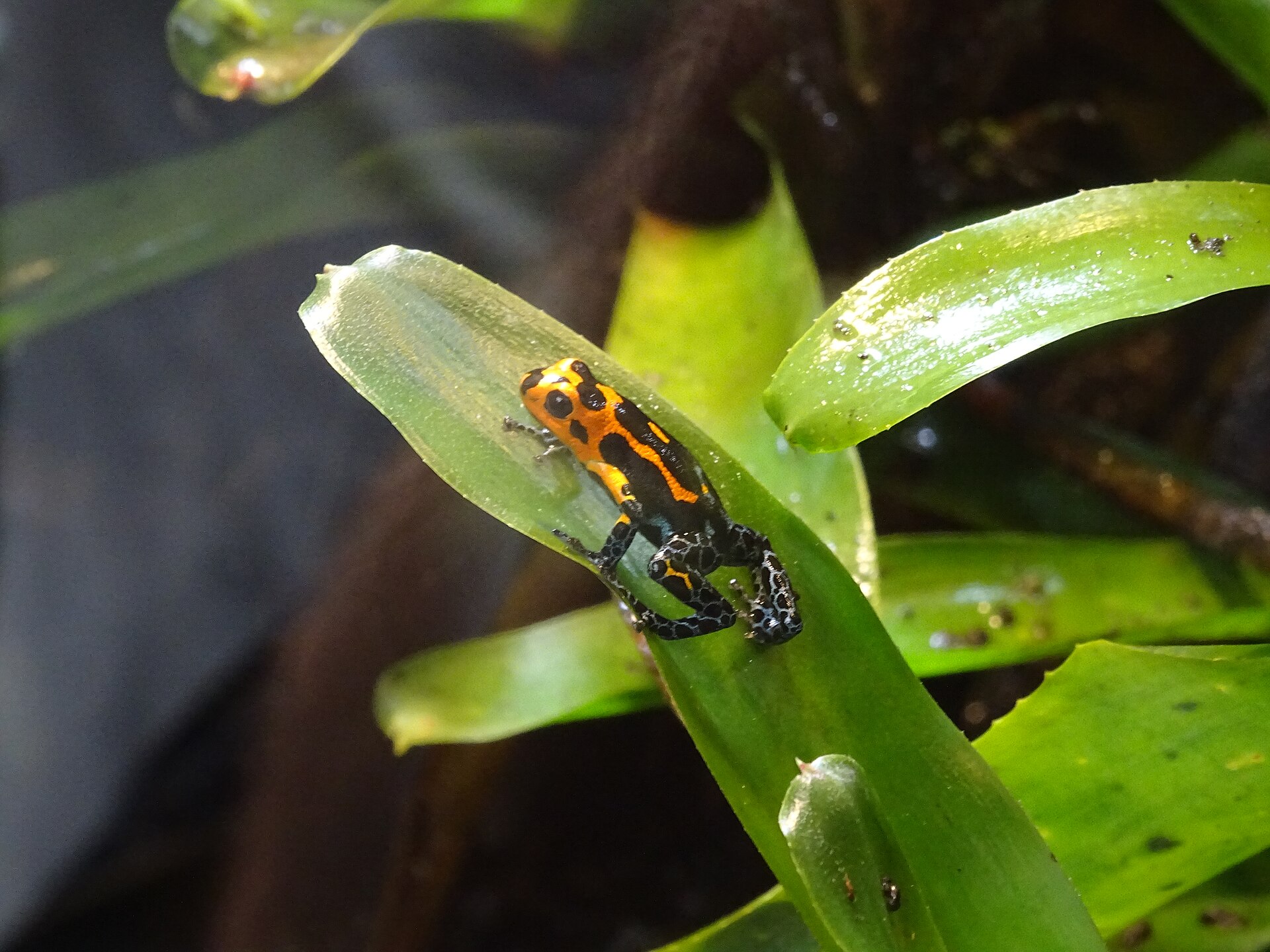 Thumbnail Dart Frog Full care guide · 6K searches/mo Guide
 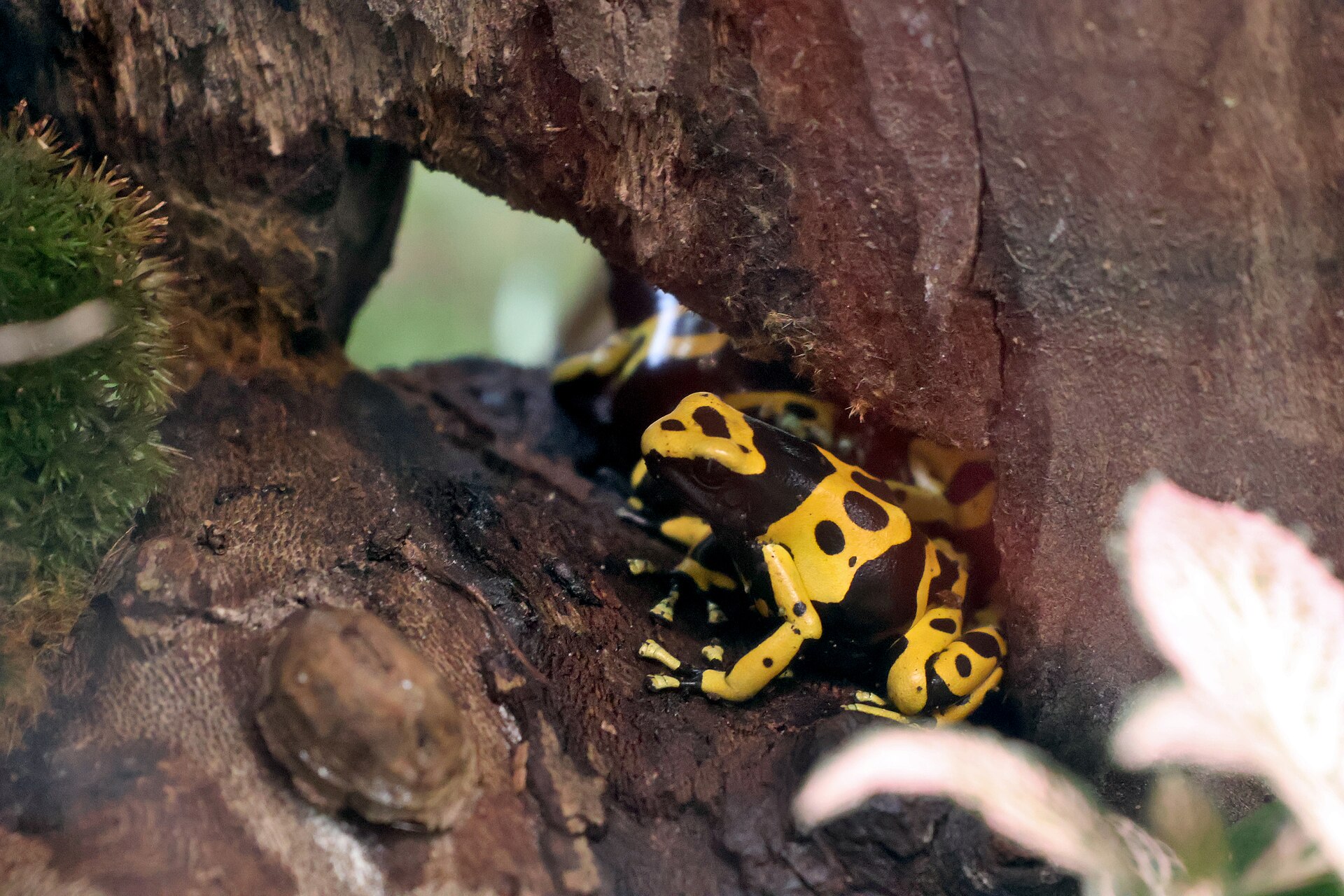 Yellow-Banded Dart Frog Full care guide · 4K searches/mo Guide
 Reptile & amphibian FAQ
What is the best pet reptile for beginners?
The best beginner reptiles are the leopard gecko, crested gecko, corn snake, ball python, and bearded dragon. All five are hardy, widely captive-bred, and forgiving of small husbandry mistakes — though a bearded dragon needs more space and stronger UVB than the others.
What is the easiest reptile to keep?
The crested gecko is the easiest reptile for most people — it thrives at room temperature with no basking lamp, needs little or no UVB, and eats a ready-made powdered diet instead of live insects.
Do all reptiles need UVB?
No. Most snakes need little or no UVB, while basking lizards (bearded dragons, tegus) and tortoises need strong UVB to stay healthy. Each species page has a UVB calculator that gives the exact bulb strength and mounting distance.
What's the difference between a reptile and an amphibian?
Reptiles (snakes, lizards, geckos, turtles) have scales and dry skin; amphibians (frogs, toads) have moist, permeable skin and live in humid vivariums. Both are covered here because they share equipment like bioactive vivariums and live feeders.
Build a Bioactive Vivarium
Calculate drainage, substrate, cleanup crew, and plants for any enclosure size — tropical, temperate, or arid. Our free interactive builder gives you quantities and buy links in seconds.