Isopods: Culture, Care & Cleanup Crew Guide
The tank janitors that turn a high-maintenance enclosure into a self-cleaning ecosystem — and the most obsessively collected invertebrates in the herp hobby.
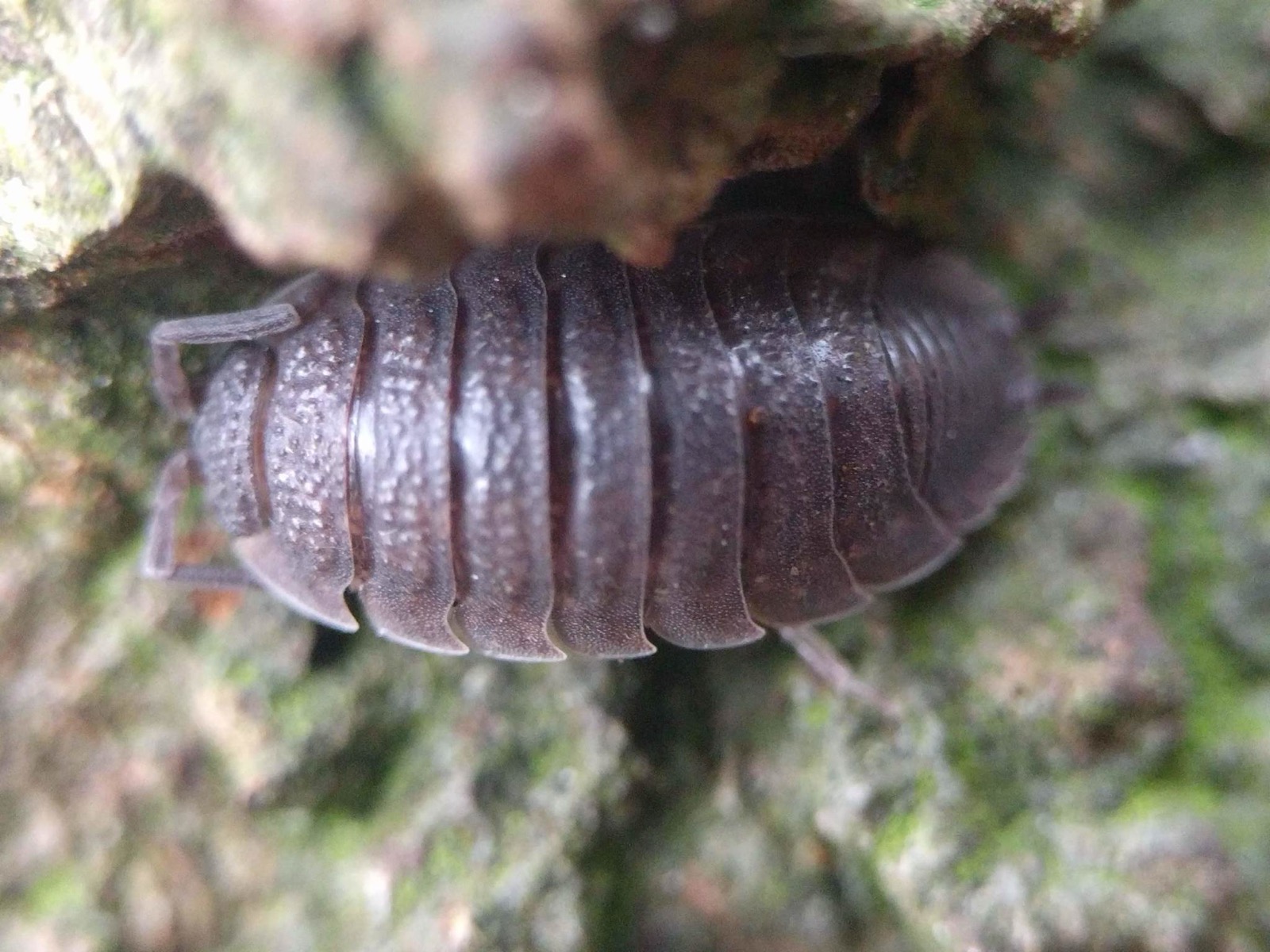
Isopods at a Glance
- Popular hobby species
- Dwarf white, Dairy Cow, Rubber Ducky, Powder Orange
- Culture substrate
- Coco-fiber + leaf litter + hardwood
- Calcium source
- Cuttlebone or crushed oyster shell (essential)
- Ideal temp
- 70–80°F (21–27°C)
- Humidity
- Gradient: moist + dry zones both present
- Role
- Bioactive cleanup crew; occasional feeder
What are isopods?
Isopods are crustaceans — more closely related to crabs and shrimp than to insects — belonging to the order Isopoda. Terrestrial isopods (woodlice, pillbugs, roly-polies) live in damp environments with decaying organic matter, making them naturally suited to the substrate layer of a bioactive vivarium. Most hobby-kept isopods are in the families Armadillidiidae (pillbugs that roll into a ball), Oniscidae (flat, fast), and Porcellionidae.
Unlike springtails, isopods are visible to the naked eye (2–20+ mm depending on species), slow-breeding, and have become a distinct collecting hobby in their own right. Rare ornamental species regularly sell for $5–$20+ per individual.
Popular hobby isopod species
Dwarf White Isopod (Trichorhina tomentosa)
The essential starter species. Small (2–4 mm), off-white, stays hidden in substrate during the day. Reproduces quickly (weeks between generations), thrives at 70–80°F in moist conditions, and is safe with virtually every vivarium inhabitant including dart frog eggs and froglets. This species pairs with springtails to form the core bioactive cleanup team recommended by NEHERP, Josh's Frogs, and Dendroboard consistently.
Dwarf Purple Isopod (Trichorhina sp. "purple")
Similar in size and behavior to dwarf whites but a charming dark purple color. Slightly slower-breeding than dwarf whites, but equally effective as a cleanup crew and safe with small amphibians and geckos.
Dairy Cow Isopod (Porcellio laevis "dairy cow")
A large (15–20 mm), fast-reproducing, hardy Porcellio with a distinctive white-on-dark spotted pattern. Highly effective waste processors in larger enclosures (adult leopard geckos, blue-tongue skinks, bearded dragon bioactives). Too large and active for dart frog or very small gecko setups. Tolerates a wider humidity and temperature range than most ornamental species.
Rubber Ducky Isopod (Cubaris sp. "rubber ducky")
The most visually striking hobby isopod — a small (8–12 mm) yellow-and-red Cubaris from caves in Thailand. Notoriously slow-breeding and sensitive to care conditions (prefers high humidity, limestone-rich substrate, 74–80°F). Primarily a display species; effective cleanup crew in smaller naturalistic setups. Considered an advanced isopod.
Powder Orange (Porcellionides pruinosus "orange")
A medium-large (10–15 mm) isopod with an orange-dusted appearance and a distinctive matte surface texture. Fast-reproducing, tolerates heat and drier conditions better than most isopods, making it popular in drier bioactives (bearded dragons, blue-tongue skinks, tortoises). Avoid in very humid setups, where it may struggle.
Powder Blue (Porcellionides pruinosus "blue")
The blue-gray sibling of Powder Orange, with identical care requirements. Equally fast-reproducing and heat-tolerant. Popular beginner ornamental species with good cleanup capacity.
How to culture isopods (step by step)
The principles are similar across species, but specifics vary by genus. This covers the general framework used by NEHERP and Dendroboard community resources:
- Container: A 6–16 qt storage tub with a lid, drilled and mesh-covered for ventilation. Isopods need airflow but will escape through any gap larger than their body. For ornamental species, a secure display enclosure works well.
- Substrate depth: 3–4 inches minimum. Use a mix of coco-fiber (moisture retention), orchid bark (drainage and hides), and compressed sphagnum. Add a hardwood log or cork bark chunk — isopods feed on the fungal community and decaying wood material.
- Leaf litter: Top-dress with a thick layer of dried leaf litter (oak, magnolia, live oak). This is the primary food source for most isopods. Replace as consumed. Source from pesticide-free areas or buy dried from herp suppliers.
- Calcium (essential): Place a piece of cuttlebone or a small dish of crushed oyster shell in every culture. Calcium is non-negotiable — without it, isopods cannibalize during molts and reproduction slows dramatically.
- Humidity gradient: Keep one end of the container moist (mist that side only) and allow the other end to dry out slightly. Isopods self-regulate by moving between zones. Completely wet conditions cause drowning and bacterial die-offs; completely dry conditions desiccate them.
- Temperature: Most species thrive at 70–78°F. Cubaris species (rubber ducky) prefer 74–80°F. Porcellionides species tolerate up to 85°F.
- Supplemental food: Beyond leaf litter, offer occasional supplements: dried mushroom, organic carrot or potato slices, fish flakes (protein), dried nettle. Remove uneaten fresh foods after 48 hours to prevent mold.
- Harvesting: Scoop isopods and substrate directly into the vivarium, or use forceps to select individuals. Ornamental species are typically placed individually or in small groups.
Isopods in the bioactive vivarium
Isopods work synergistically with springtails in a bioactive setup. The two species occupy different roles: springtails tackle surface mold and biofilm, while isopods process larger waste items — feces, shed, dead feeders, and decaying plant material — in the substrate layer. Together they form a complete decomposition engine.
For dart frog vivariums, dwarf white isopods are strongly preferred. Larger species may disturb eggs or small froglets. A healthy vivarium isopod colony self-sustains indefinitely, reproducing within the enclosure and adjusting to the waste load produced by the inhabitants.
Learn more about building a complete ecosystem: Bioactive Vivarium — setup and substrates guide.
Where to buy isopods
Isopods ship well via 2-day mail in insulated packaging. Common species (dwarf white, powder orange, dairy cow) are widely available; ornamental species (rubber ducky, various Cubaris) may require sourcing from specialty breeders. Josh's Frogs, NEHERP, Rubber Ducky Isopods, and community sales on Dendroboard and Facebook groups are the primary sourcing channels.
Shop isopod cultures & cultures
Some links are affiliate links — we may earn a small commission at no cost to you.
What do isopods do in a bioactive vivarium?
Isopods are the heavy-lifting cleanup crew of a bioactive vivarium. They consume feces, shed skin, uneaten food, decaying plant material, and dead feeder insects. They also break down organic matter into material that live plants can use, aerate the substrate, and help prevent anaerobic pockets from forming in deep soil setups.
Which isopods work best with dart frogs?
Dwarf white isopods (Trichorhina tomentosa) are the gold standard for dart frog vivariums. They are tiny enough not to disturb eggs or small froglets, hide in the substrate during the day, and establish large sustainable colonies easily. Tropical white springtails are typically added alongside them as a complementary cleanup crew.
Can isopods hurt reptiles?
Generally no. Most hobby isopods are harmless to healthy reptiles. However, some keepers avoid putting large ornamental isopods (dairy cow, rubber ducky) with very small juveniles or delicate amphibians, as large isopods may disturb or stress tiny animals. Dwarf white and dwarf purple isopods are considered safe for nearly all vivarium inhabitants including dart frogs, small geckos, and juvenile snakes.
How long does it take to establish an isopod colony?
Isopods reproduce more slowly than springtails. A dwarf white culture seeded with 25–50 individuals typically reaches a visible, harvestable colony in 6–10 weeks at 72–78°F. Ornamental species like dairy cow and rubber ducky are slower-reproducing and may take 3–6 months to reach true colony density.
Do isopods need calcium?
Yes — calcium is essential for isopod molting and exoskeleton development. Provide a constant source of calcium in every culture and vivarium: cuttlebone, crushed oyster shell, or dried eggshell. Without calcium, isopods will cannibalize molting individuals and colony growth slows or stalls.