Leopard Gecko Care
Eublepharis macularius
A hardy, ground-dwelling beginner gecko from Central Asian deserts that thrives in a warm terrarium with a hot basking hide, low humidity, and a diet of varied live insects.
UVB Setup Calculator
Enter your enclosure dimensions — we'll recommend the right UVB bulb and mounting height for Leopard Gecko.
Leopard Gecko care specs
- Care level
- beginner
- Adult size
- 7–10 in
- Lifespan (yrs)
- 15–20
- Basking (°F)
- 94–97
- Cool side (°F)
- 70–77
- UVB need
- low
- Target UVI (Ferguson)
- 0.5–1.5
- Humidity (%)
- 30–40 ambient
- Diet type
- insectivore
- Diet
- insectivore
- Min enclosure (adult)
- 36×18×18 in
- Housing
- Solitary
- Price (USD)
- 30–75
- Origin
- Rocky arid grasslands and deserts of Afghanistan, Pakistan, northwestern India, Iran, and Nepal
Where to buy & shop for Leopard Gecko
Affiliate links — we may earn a small commission at no cost to you.
What is a Leopard Gecko?
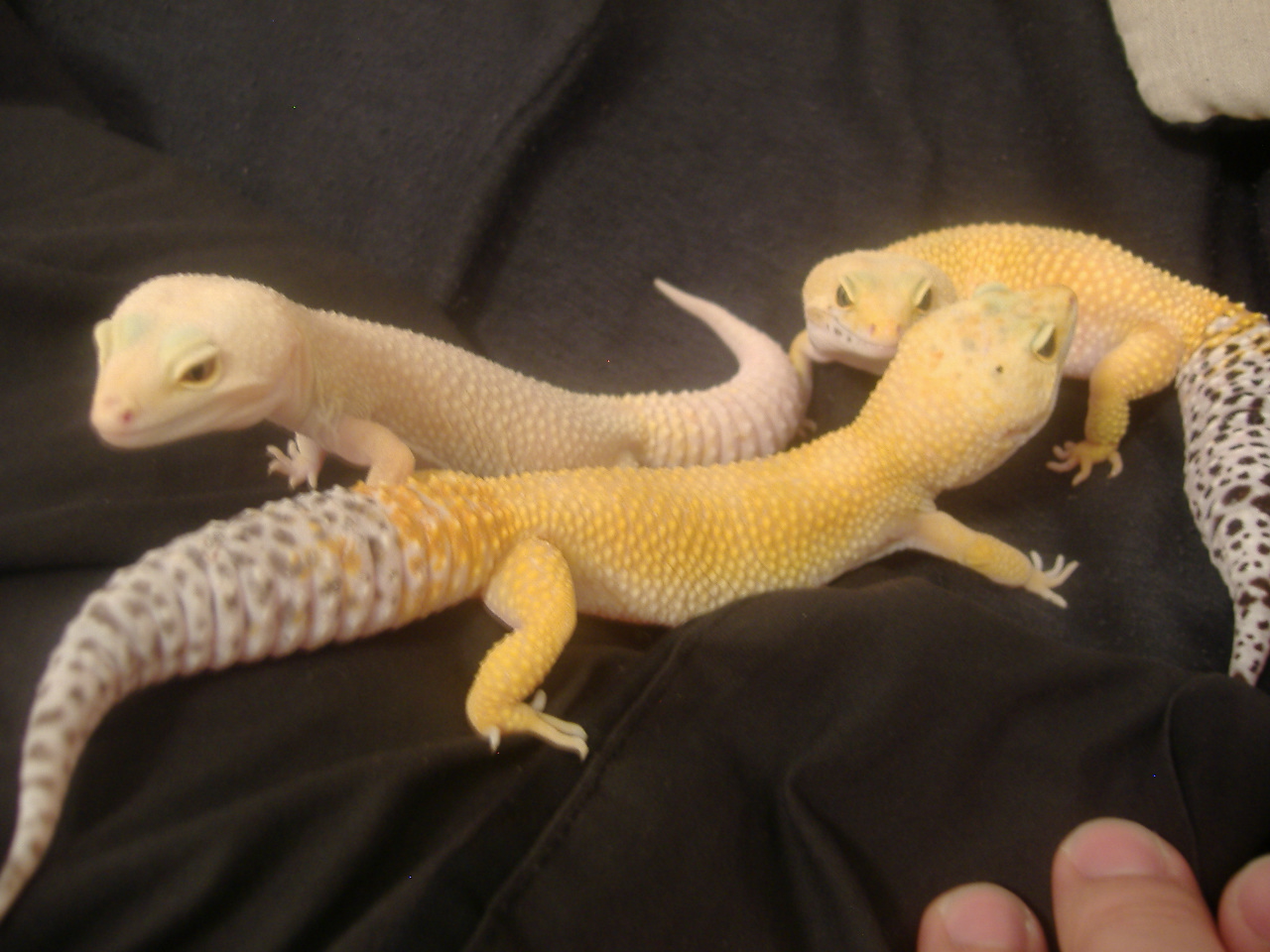
A Leopard Gecko is a beginner-friendly gecko from arid grasslands and deserts of Afghanistan. Adults reach 7–10 in (females) to 11 in (large males) and can live 15–20 years in captivity — a long-term commitment. A hardy, ground-dwelling beginner gecko from Central Asian deserts that thrives in a warm terrarium with a hot basking hide, low humidity, and a diet of varied live insects.
What size enclosure does a Leopard Gecko need?
The minimum enclosure for an adult Leopard Gecko is 36×18×18 in (terrestrial; larger footprint preferred over height). Bigger is always better — Leopard Geckos benefit from extra space to thermoregulate and express natural behaviours.
What you need:
- Secure, well-ventilated enclosure — screen top or side ventilation; tight-fitting lid.
- Thermostat-controlled basking lamp — dimmer or proportional thermostat; never a heat rock.
- Warm and cool hides — at least one hide on each end of the thermal gradient.
- Water bowl — shallow, heavy-bottomed; changed daily.
- Appropriate substrate — species-appropriate depth; moist hide in one corner.
What temperature does a Leopard Gecko need?
Provide a basking spot of 94–97°F and a cool side of 70–77°F. Measure surface temperature with an infrared thermometer. Use a high-wattage basking bulb on a dimmer or thermostat — never a heat rock. Drop to 60–65°F at night to support digestion and immune function.
| Zone | Temperature |
|---|---|
| Basking spot | 94–97°F (measure surface temperature with an infrared thermometer) |
| Cool side | 70–77°F |
| Night | 60–65°F |
Do Leopard Geckos need UVB?
Leopard Geckos need low UVB — target UVI 0.5–1.5. A T5 HO 5–6% tube (e.g., Arcadia ShadeDweller) is recommended over supplementation alone. Use the UVB Calculator above to find the correct bulb and mounting height. Replace bulbs every 12 months regardless of whether they still emit visible light.
What humidity does a Leopard Gecko need?
Maintain humidity at 30–40 ambient%. Keep the enclosure on the drier side. Use a digital hygrometer — guessing humidity is a common beginner mistake that leads to respiratory problems and dysecdysis (difficult shedding). A digital hygrometer is essential.
What do Leopard Geckos eat?
Leopard Geckos are insectivores — live or gut-loaded feeder insects are the diet staple. Varied live insects: crickets, dubia roaches, mealworms, hornworms, black soldier fly larvae. Gut-load all feeders; dust with calcium+D3 at every feeding for juveniles, every other feeding for adults. No plant matter.
- Staple feeders — dubia roaches, crickets, or mealworms as the main protein source.
- Variety feeders — superworms, hornworms, black soldier fly larvae for enrichment.
- Gut-load first — feed insects a nutritious diet 24–48 hr before offering to your Leopard Gecko.
- Calcium dusting — dust every feeding; use D3-containing supplement on a schedule matched to UVB.
- Fresh water — shallow dish changed daily; use a sponge or bottle cap to prevent drowning small feeders.
Can you house Leopard Geckos together?
Solitary — house individually. Males fight; female groups possible with extreme caution and doubled resources, but not recommended. Start with brief, calm handling sessions (5–10 minutes) and gradually increase as your Leopard Gecko becomes accustomed to you. Wash hands before and after every handling session.
Are Leopard Geckos good for beginners?
Yes — Leopard Geckos are an excellent first reptile. Animals cost 30–75 (normal/wild-type pet store); 50–100 (reputable breeder); common morphs 75–300+; rare designer morphs can exceed 2,000 depending on morph/locality. The main ongoing costs are feeder insects, gut-load/supplementation supplies, UVB bulb replacements, and occasional vet visits.
What is a Leopard Gecko?
A Leopard Gecko is a beginner-friendly gecko from arid grasslands and deserts of Afghanistan. Adults reach 7–10 in (females) to 11 in (large males) and live 15–20 years in captivity.
How big do Leopard Geckos get?
7–10 in (females) to 11 in (large males). Leopard Geckos reach this size over a lifespan of 15–20 years — plan your enclosure for the adult size from the start.
What size enclosure does a Leopard Gecko need?
The minimum enclosure for an adult Leopard Gecko is 36×18×18 in (terrestrial; larger footprint preferred over height). Bigger is always better — provide the adult-size enclosure from day one rather than upgrading later.
What temperature does a Leopard Gecko need?
Basking spot 94–97°F, cool side 70–77°F — measure with a digital thermometer. Night temperatures can drop to 60–65°F. Always measure with a reliable digital thermometer.
Do Leopard Geckos need UVB?
Low UVB need. Leopard Geckos benefit from a low-output T5 HO UVB bulb (5–6%). Target UVI: 0.5–1.5 at the basking spot, measured with a Solarmeter 6.5.
What do Leopard Geckos eat?
Varied live insects: crickets, dubia roaches, mealworms, hornworms, black soldier fly larvae. Gut-load all feeders; dust with calcium+D3 at every feeding for juveniles, every other feeding for adults. No plant matter.
Can you house Leopard Geckos together?
Solitary — house individually. Males fight; female groups possible with extreme caution and doubled resources, but not recommended.
Are Leopard Geckos good for beginners?
Yes — Leopard Geckos are among the best reptiles for first-time keepers. They are forgiving, handleable, and readily available captive-bred.
How long do Leopard Geckos live?
15–20 years in captivity with proper care. This is a significant long-term commitment — factor that in before purchasing.
Sources
- https://www.thebiodude.com/blogs/gecko-caresheets/leopard-gecko-caresheet-2024-updated
- https://reptifiles.com/leopard-gecko-care/leopard-gecko-temperatures-humidity/
- https://www.zenhabitats.com/blogs/reptile-care-sheets-resources/leopard-gecko-complete-lighting-and-heating-guide
- https://www.reptilecentre.com/blogs/reptile-blog/which-ferguson-zone-are-leopard-geckos
- https://exopetguides.com/leopard-gecko/leopard-gecko-care-guide/
- https://reptiledirect.com/how-much-is-a-leopard-gecko/